Surface decoration plays a critical role in the appearance, functionality, and perceived value of plastic injection molded parts. From consumer packaging to industrial components, the right decoration method can enhance brand identity, improve product appeal, and increase durability. Two of the most commonly used methods are hot stamping and screen printing . Each offers unique advantages, limitations, and applications, and selecting the appropriate method depends on several factors, including budget, material, and intended use.
Hot stamping is a process that transfers metallic or pigmented foils onto the surface of molded plastic parts using heat, pressure, and dwell time. The foil is bonded to the plastic via a heated die, creating a high-quality metallic or glossy finish. Hot stamping is particularly well-suited for creating premium designs , metallic logos, or luxury packaging elements.
In contrast, screen printing , also known as silk-screen printing, applies ink directly to the plastic surface through a mesh stencil. It is versatile and allows for vibrant, multi-colored designs. Screen printing works effectively on a wide variety of plastics and is ideal for producing durable, high-contrast graphics that can withstand frequent handling.
Understanding the differences between these two surface decoration techniques is essential for selecting the right solution for injection molded parts.
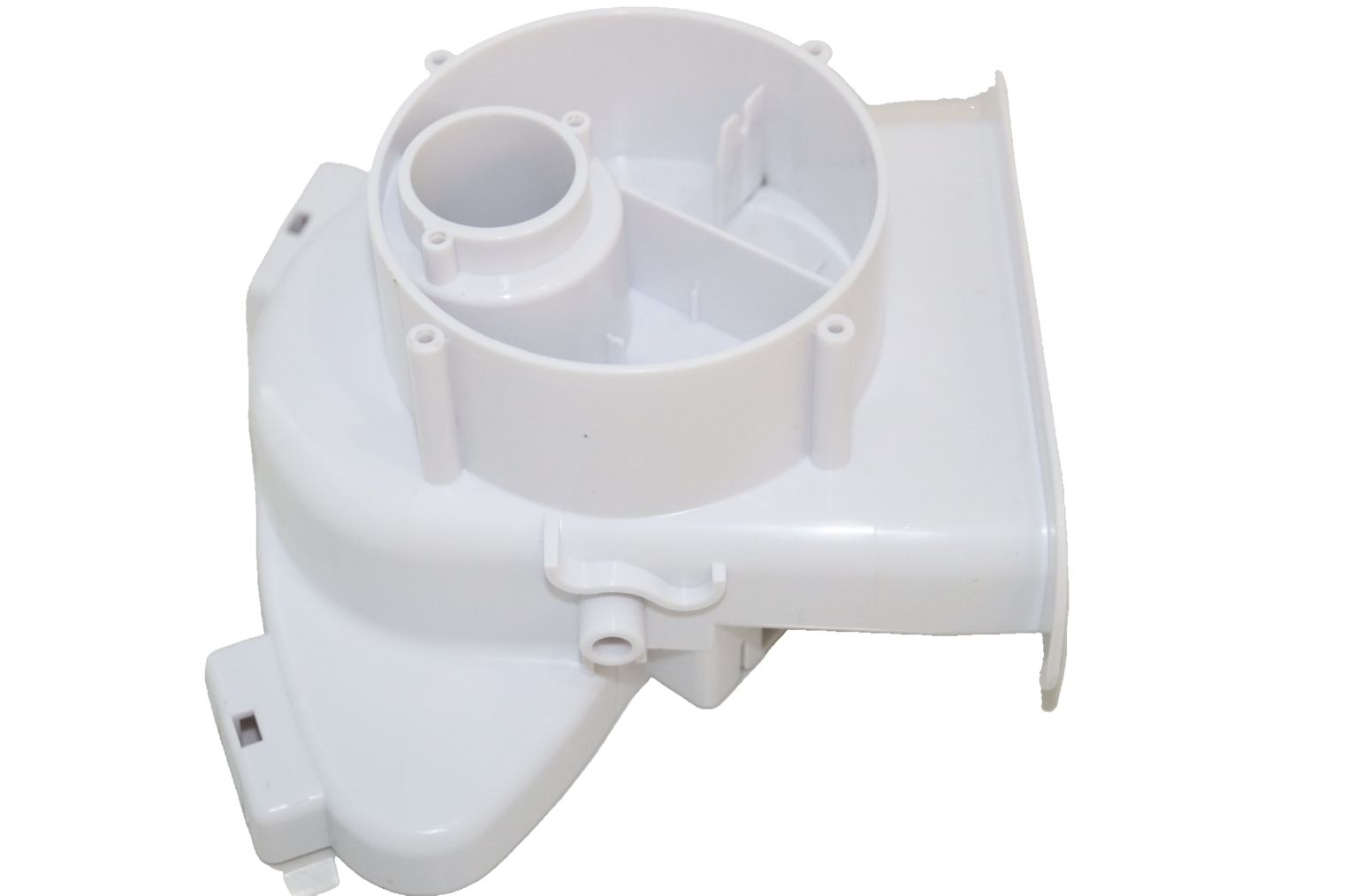
Hot stamping is known for its premium metallic appearance . Gold, silver, and other metallic foils provide a high-end aesthetic that can elevate product perception. This method can reproduce intricate patterns and logos with precision, which is especially beneficial for branding on cosmetic packaging, luxury goods, and high-end electronics .
However, hot stamping has limitations. The setup and per-unit costs are higher compared to screen printing, and color options are primarily limited to metallic tones. Additionally, thin or highly detailed lines may be difficult to reproduce accurately, and frequent handling can cause the foil to scratch or peel over time. Therefore, hot stamping is best suited for products where visual impact and brand prestige outweigh cost considerations.
Screen printing offers wide color flexibility and excellent durability, making it suitable for mass-market products or parts that require frequent handling. The ink penetrates the plastic surface, creating a long-lasting design resistant to scratching and fading. It is cost-effective for large production runs and adaptable to various shapes and sizes of plastic parts.
The main drawback is that screen printing cannot replicate the metallic sheen or luxurious effect that hot stamping achieves. Fine metallic finishes or premium visual effects are beyond the scope of this method. However, when vibrant, multi-colored branding or durable graphic markings are the primary requirements, screen printing is often the superior choice.
Selecting the right decoration method depends on the intended application:
Hot stamping is ideal for:
Screen printing is ideal for:
By evaluating the product’s purpose and handling requirements, manufacturers can determine the most appropriate technique to meet both functional and aesthetic goals.
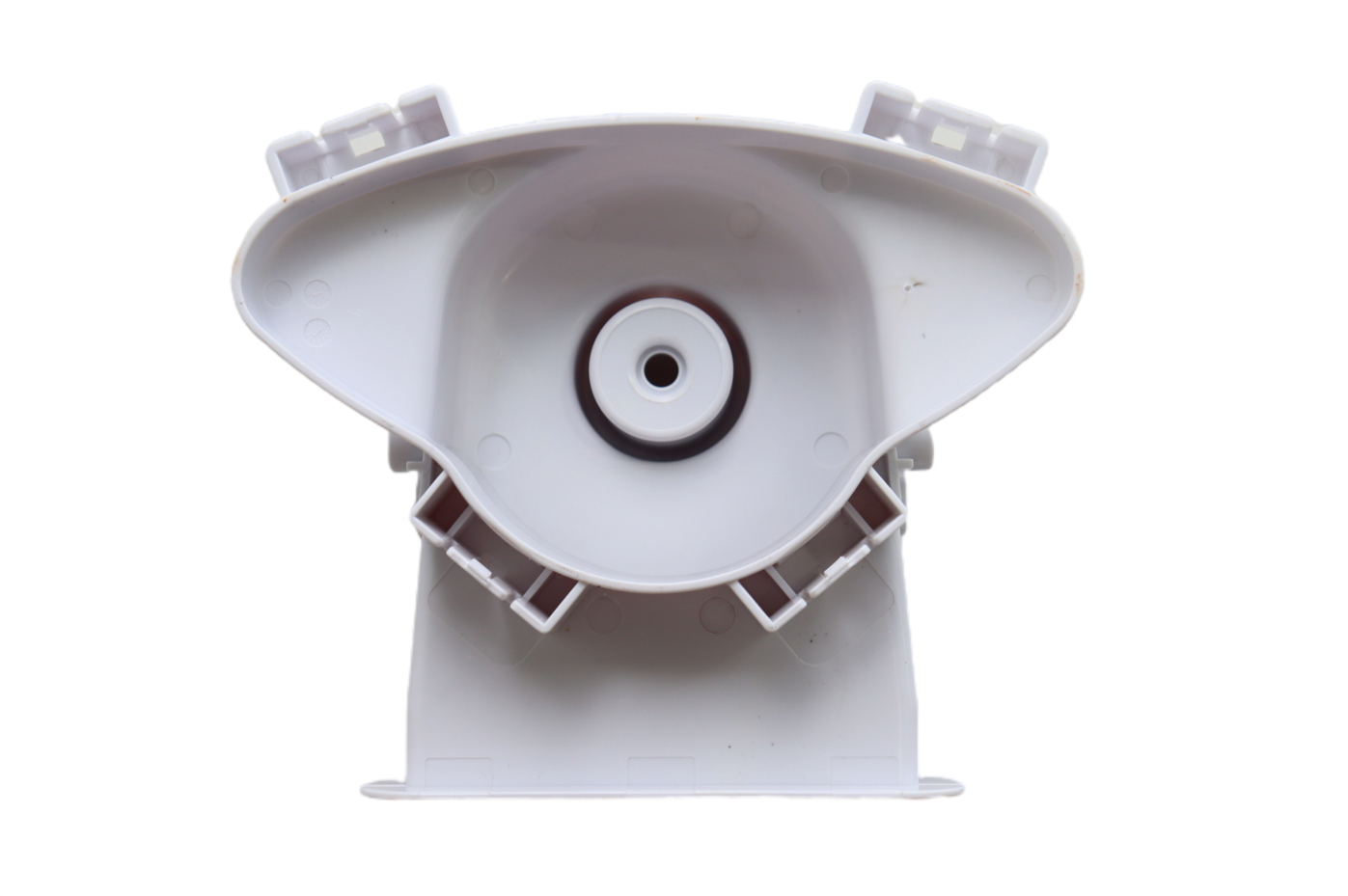
Cost and durability are critical factors in selecting a decoration method.
| Feature | Hot Stamping | Screen Printing |
| Setup Cost | High | Low |
| Per Unit Cost | Expensive | More affordable |
| Color Options | Metallic tones only | Wide range of colors |
| Durability | Moderate, may scratch/peel | High, ink bonds to surface |
| Best For | Premium, luxury branding | Bold, colorful designs |
While hot stamping is more expensive, it adds perceived value and is ideal for premium product lines . Screen printing offers a budget-friendly, durable solution for products requiring vibrant graphics or large-volume production.
When choosing between hot stamping and screen printing, consider these factors:
Collaborating with an experienced plastic injection molding partner during the design phase ensures the chosen decoration method aligns with mold design, material selection, and production efficiency. Early integration reduces costly revisions and improves final part quality.
Both hot stamping and screen printing offer valuable solutions for plastic part decoration. Hot stamping excels in creating premium metallic finishes and intricate designs for luxury products, while screen printing provides vibrant, durable graphics for high-volume, cost-sensitive applications. By understanding the strengths, limitations, and best-use scenarios for each method, manufacturers and brand owners can make informed decisions that enhance product appeal, durability, and brand identity.
For businesses looking to combine high-quality plastic injection molding with advanced surface decoration, AAA MOULD provides complete solutions. From hot stamping to screen printing, AAA MOULD supports custom part design, prototyping, and full-scale production, ensuring your products stand out in the market. Contact AAA MOULD today to explore the best surface decoration methods for your injection molded plastics.

RM1223, 12F, No.1, Fuji Bldg, No. 6018 Longgang RD. , Longgang Dist., Shenzhen,China.


Tel: 0086-755-89618186

Contact: Paul Hu 0086-18675501028




 LEAVE MESSAGE