

AAA MOULD
AAA MOULD provides one-stop services from product design to mass production.
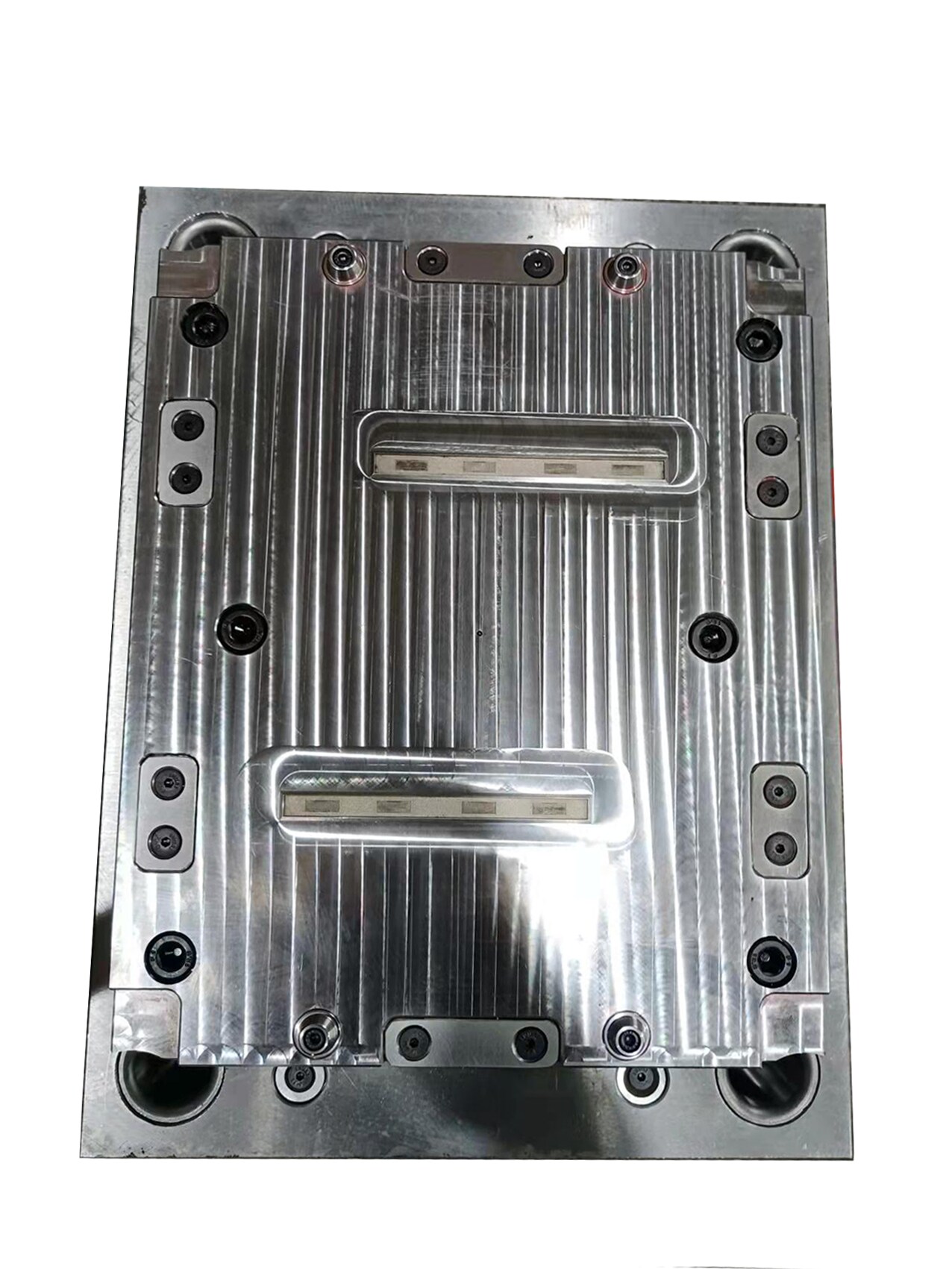
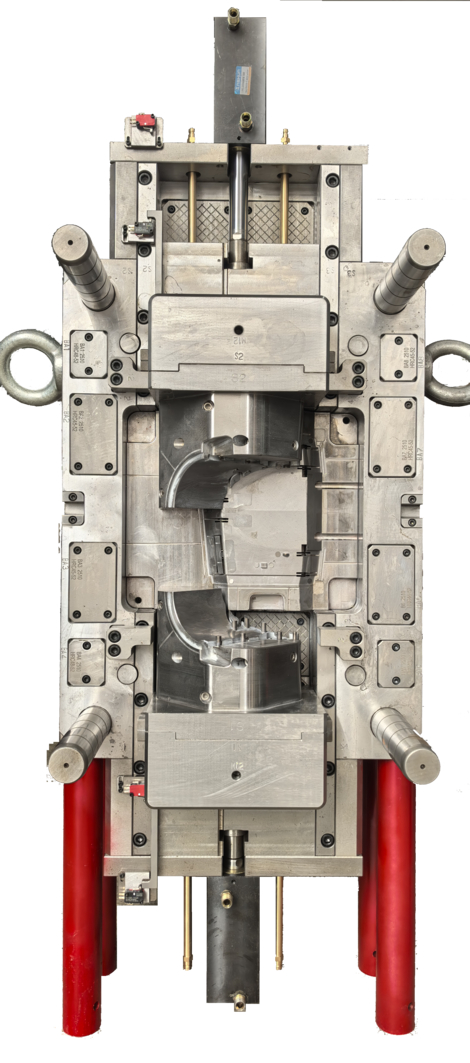
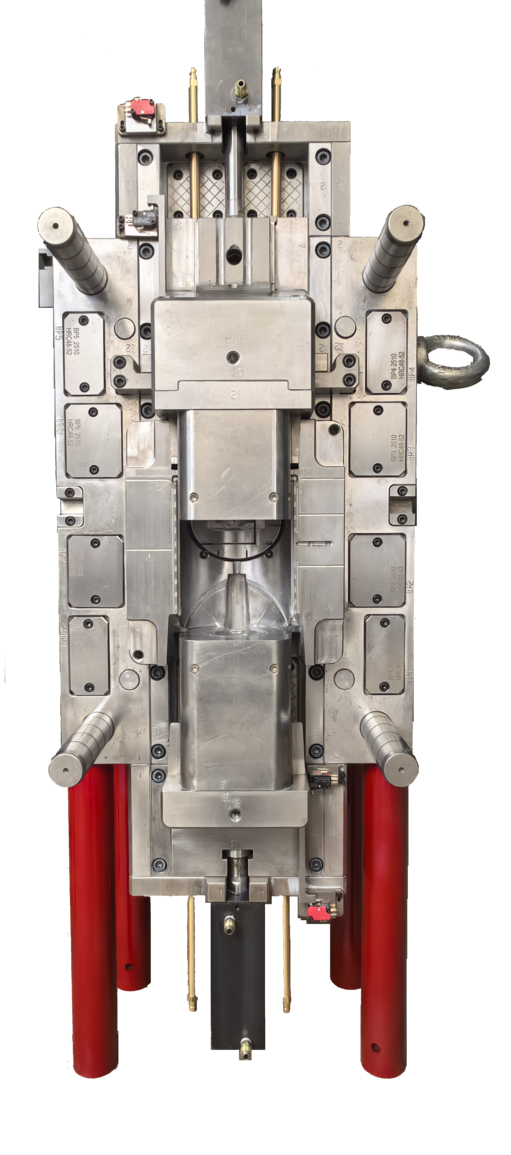
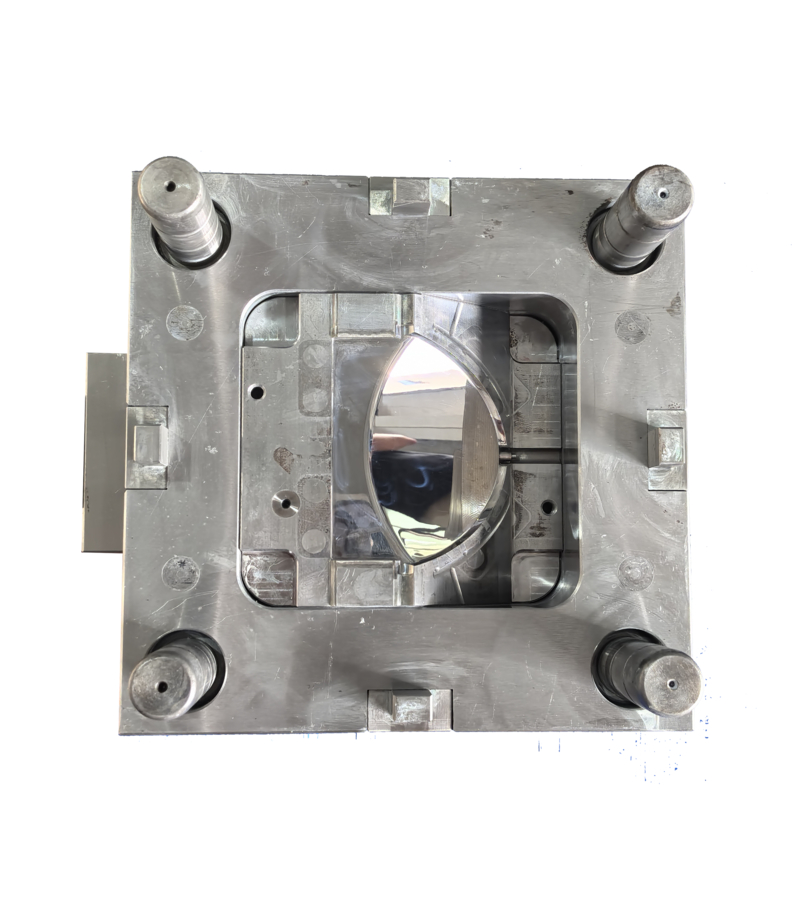
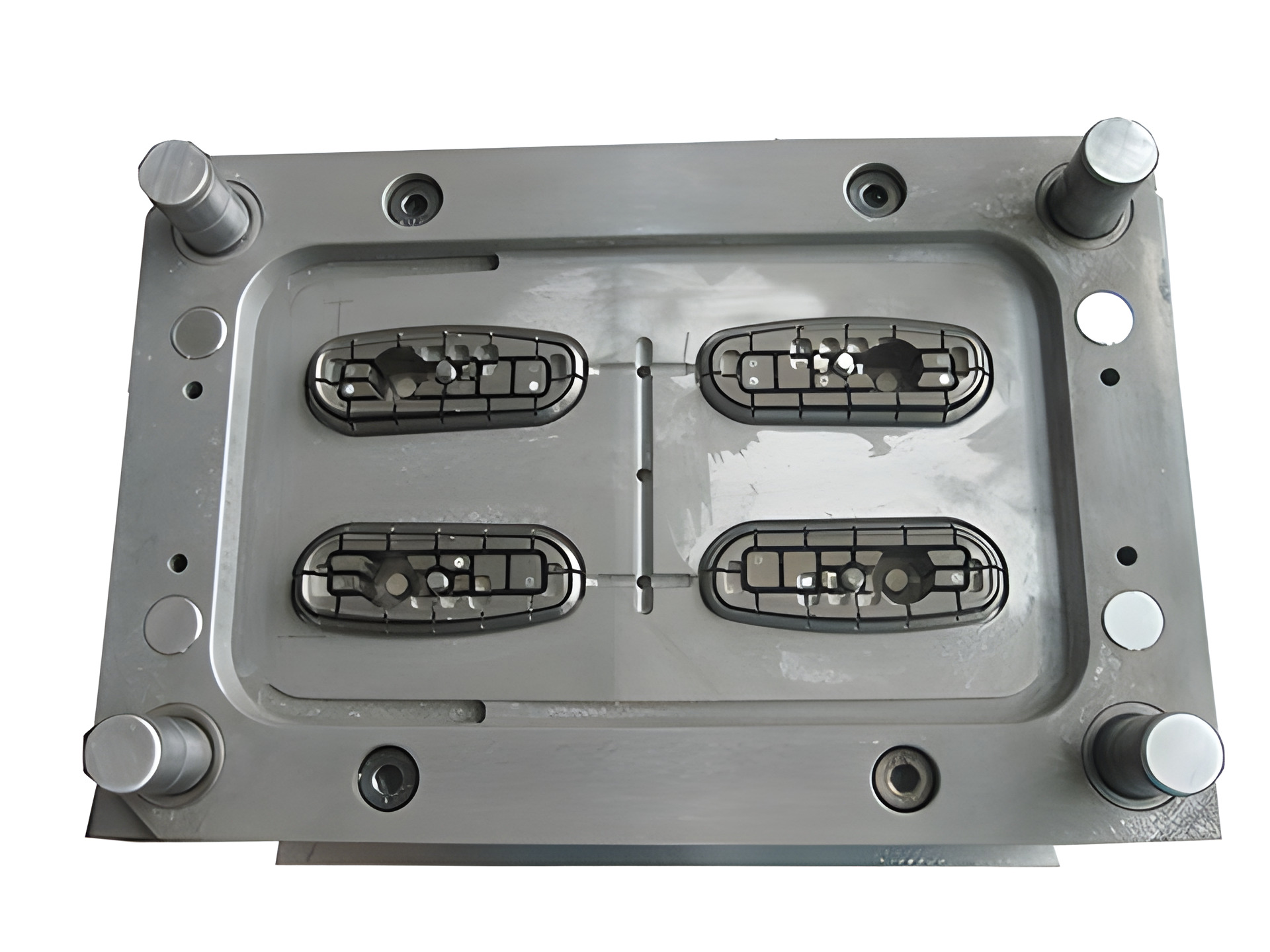
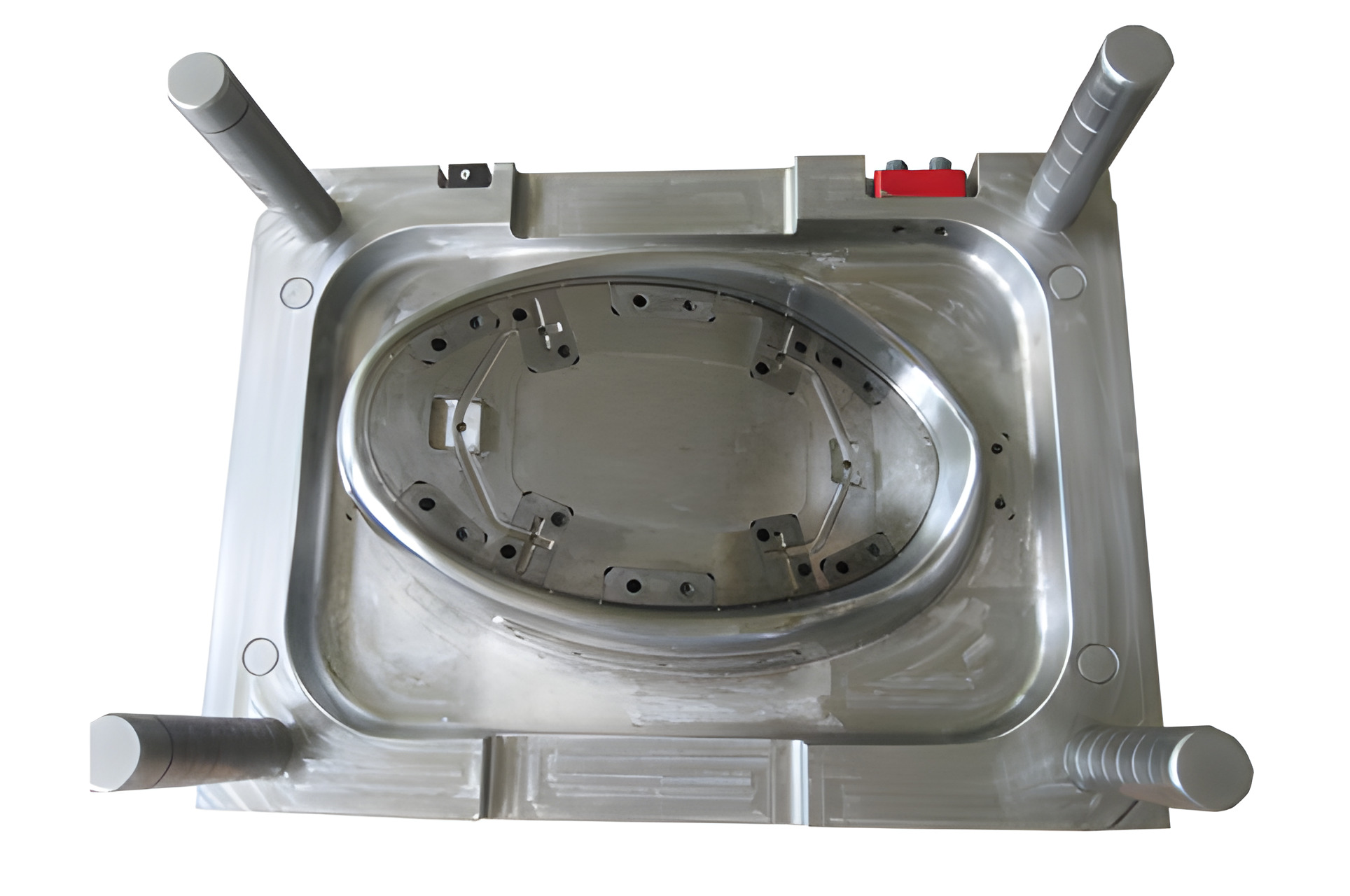
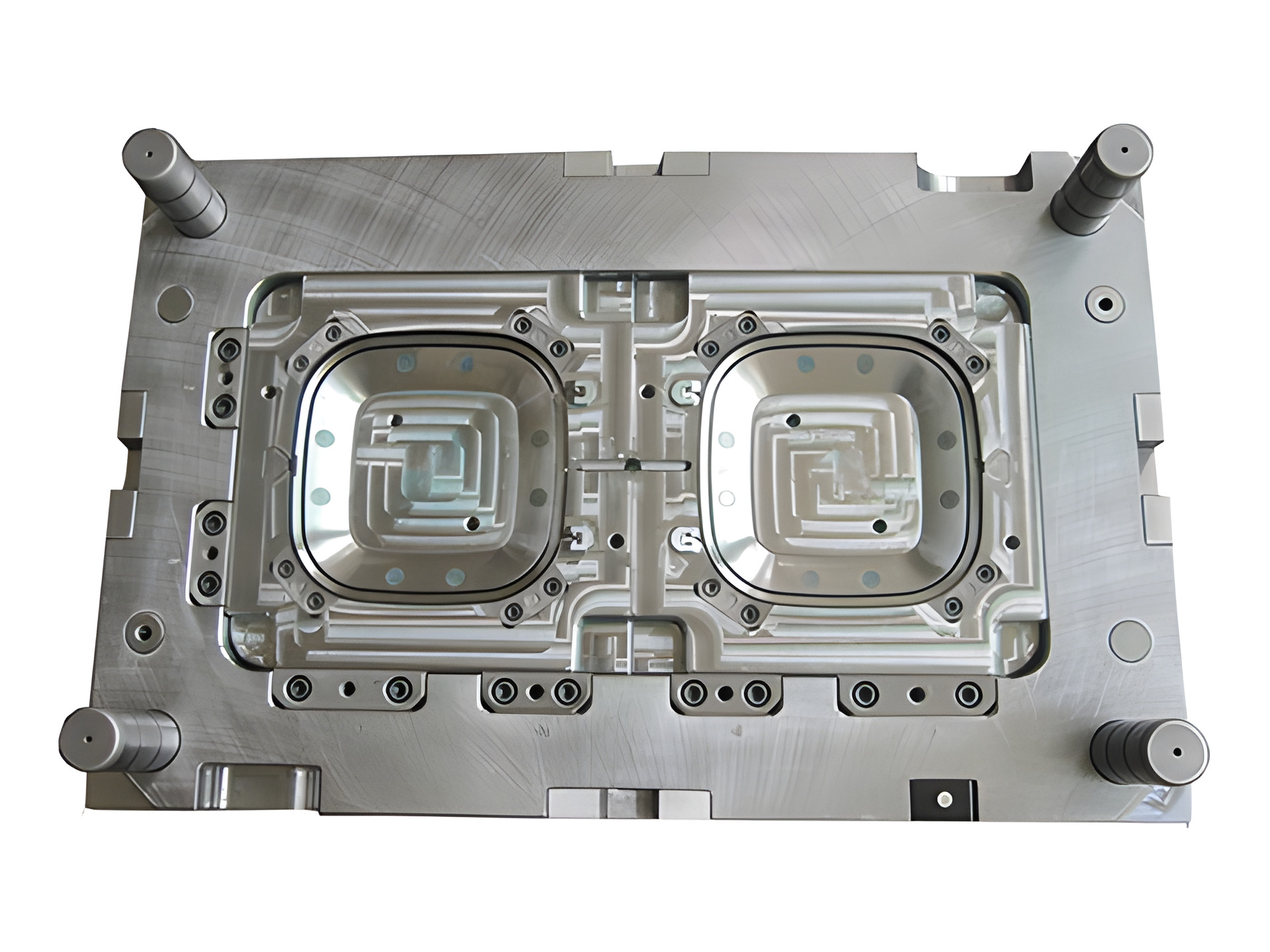
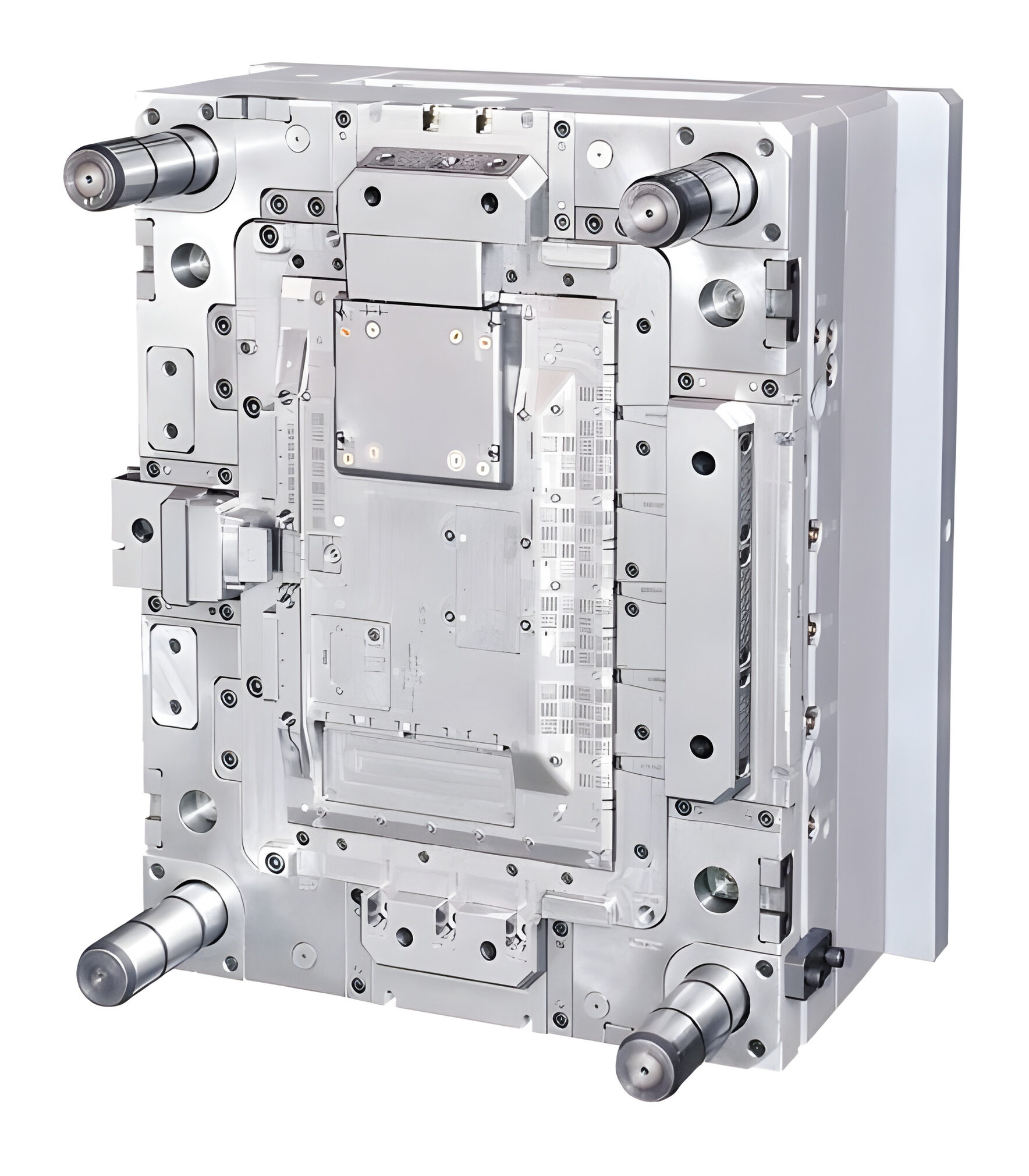
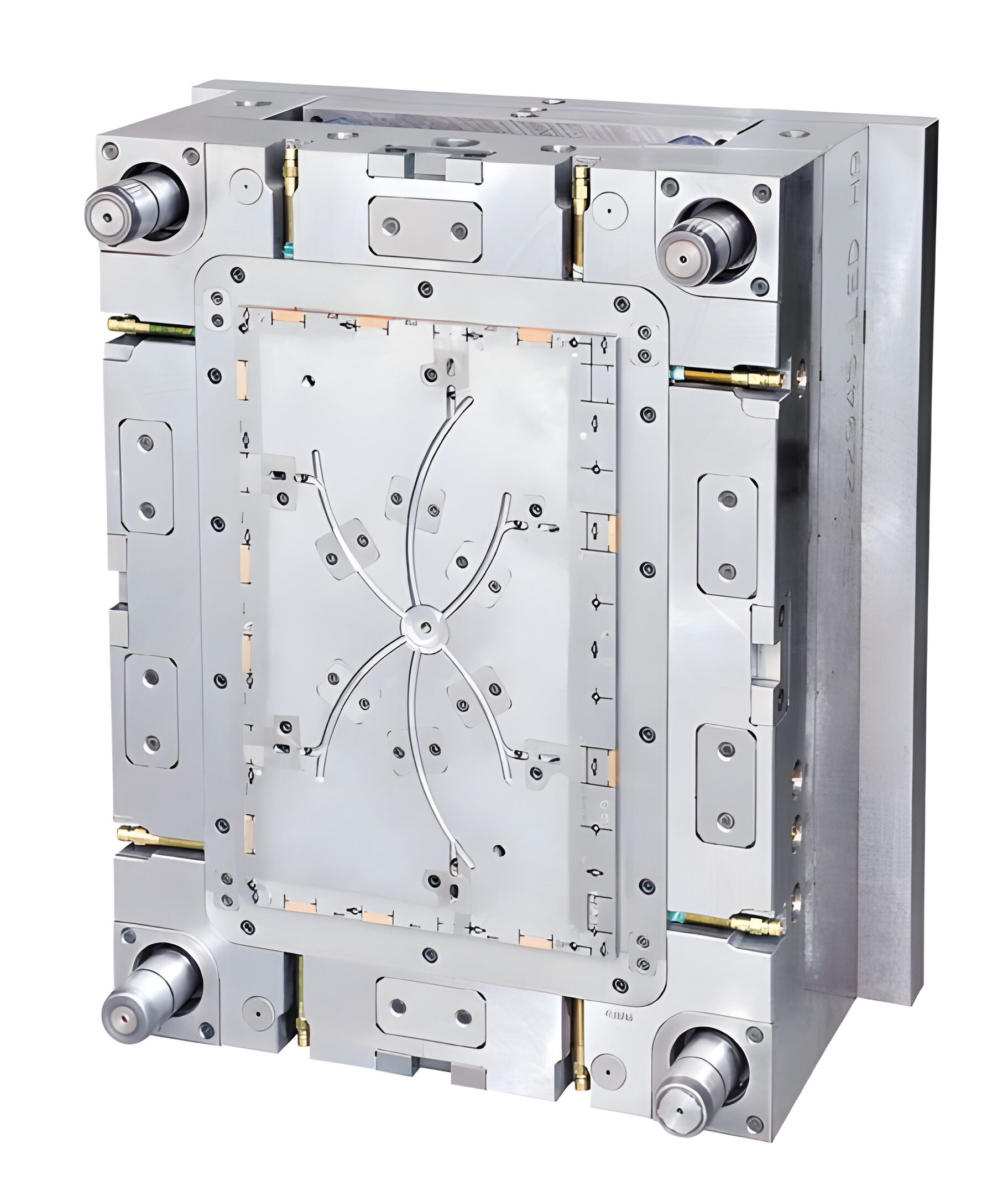
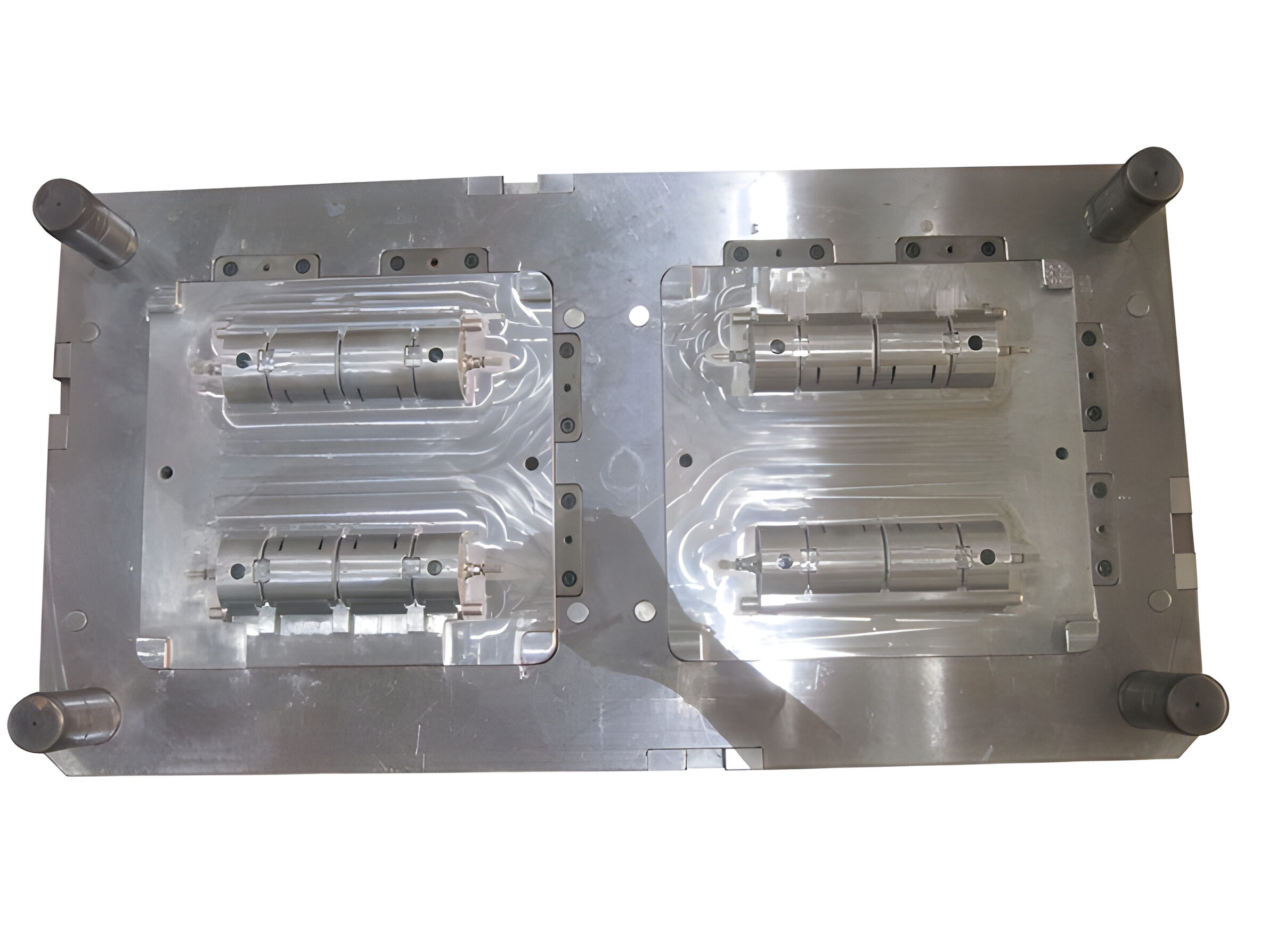
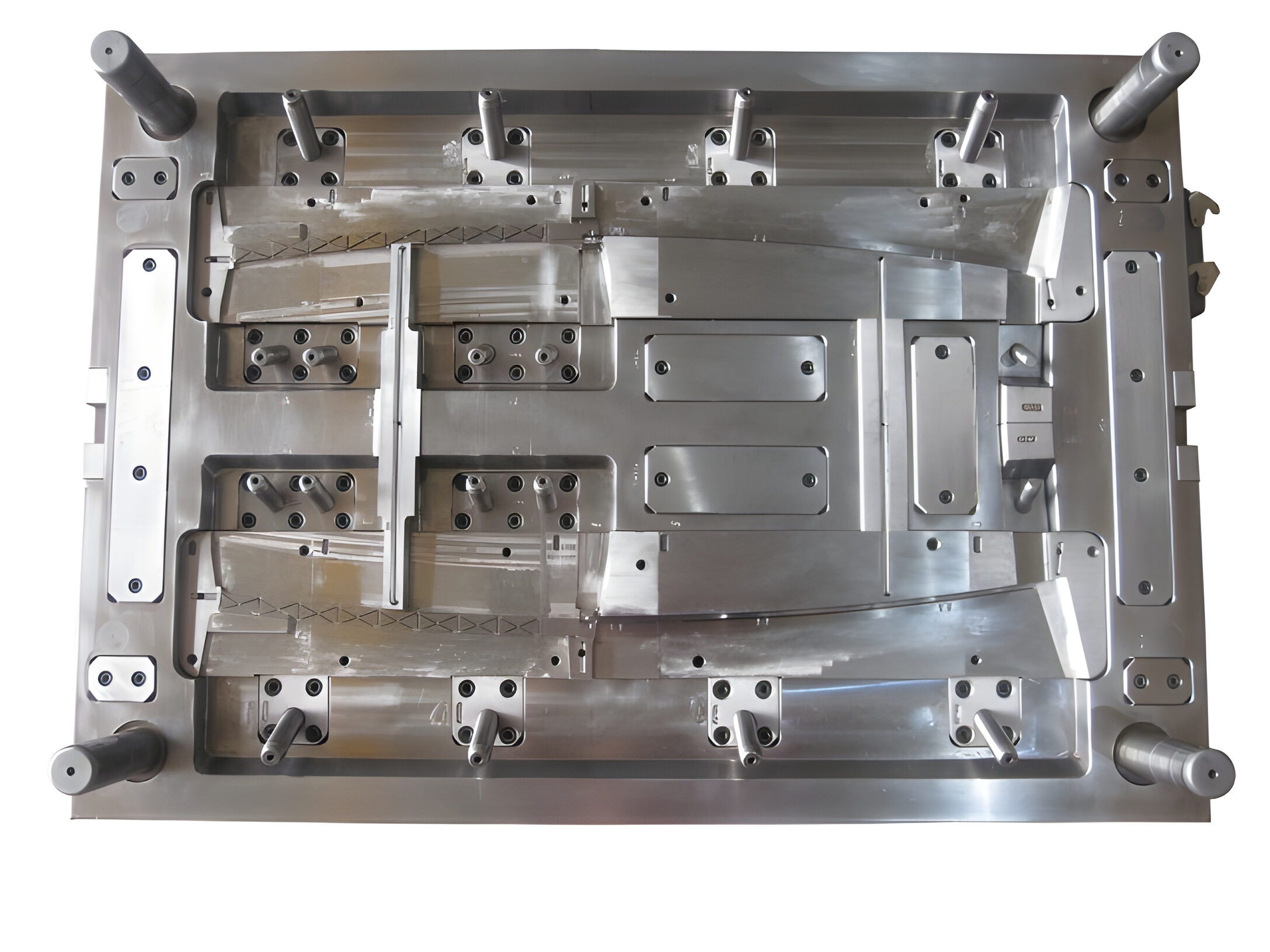
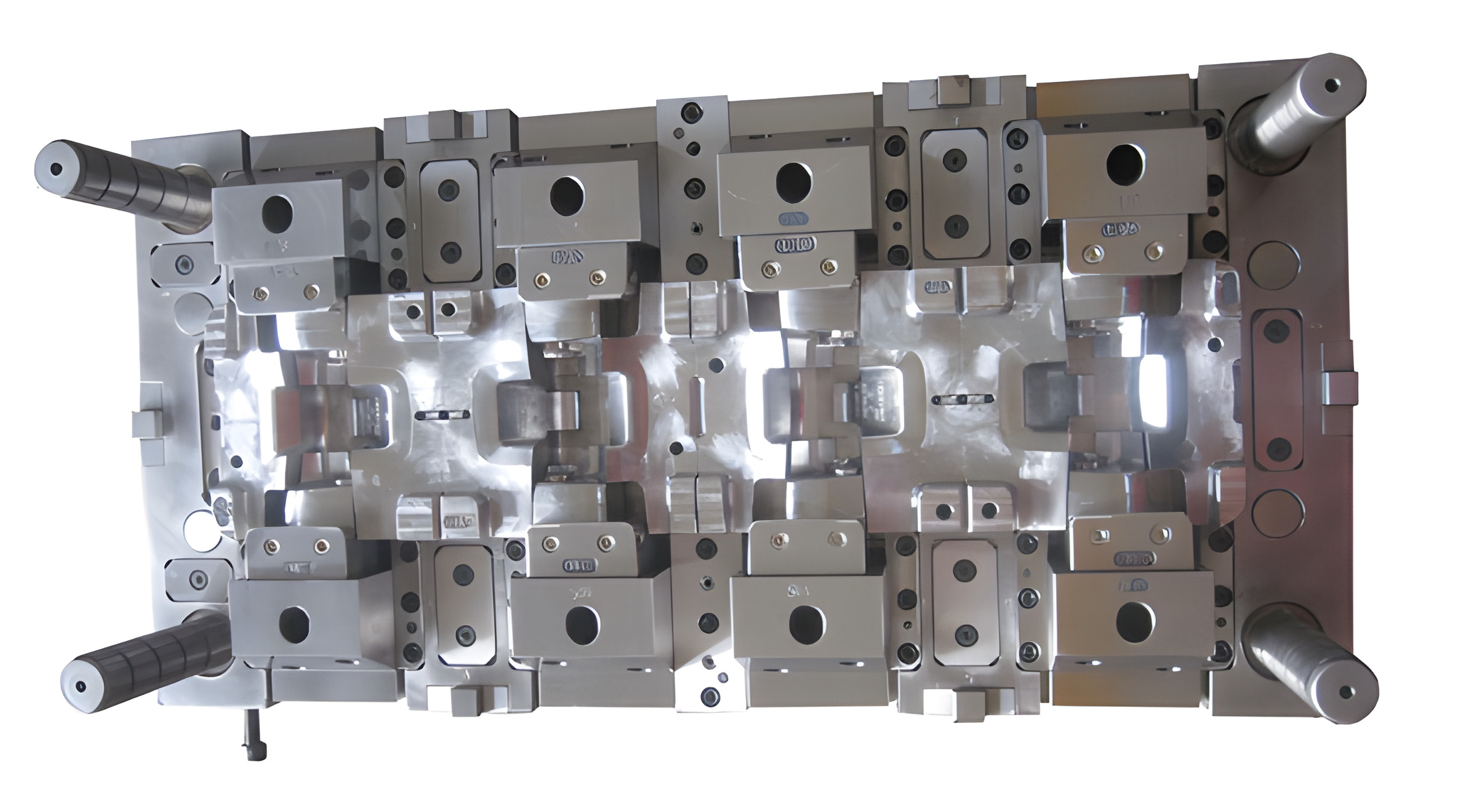
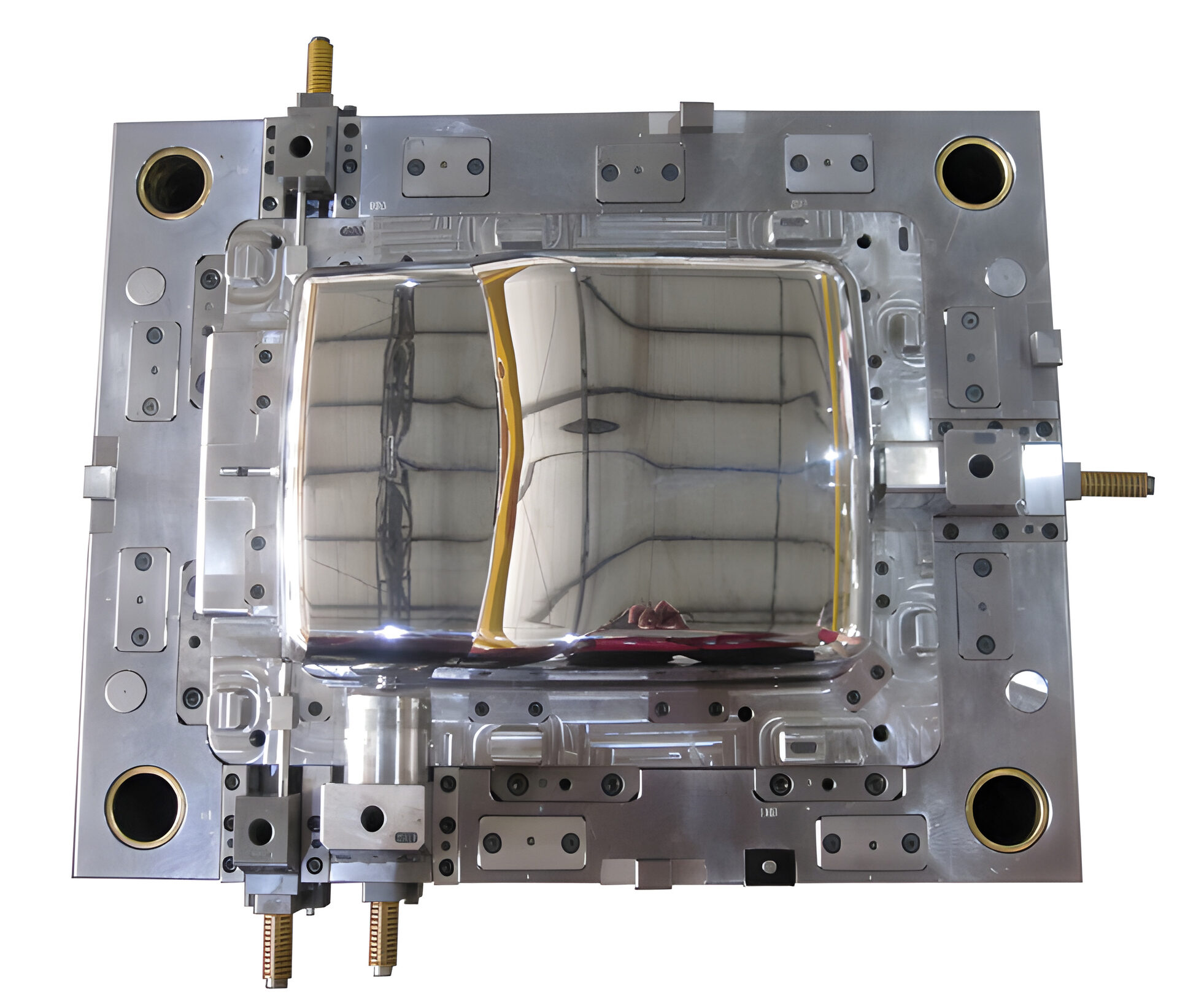
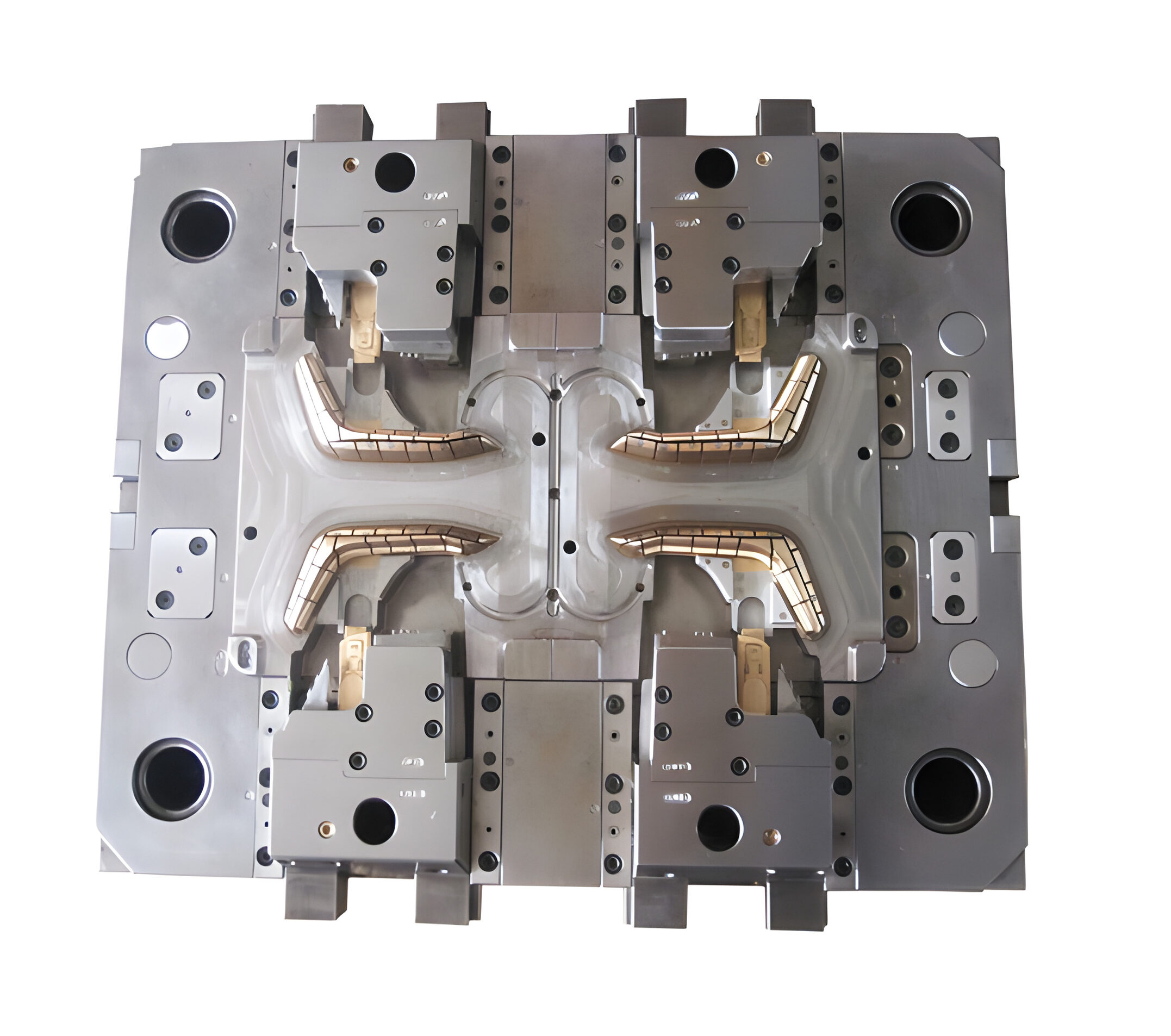
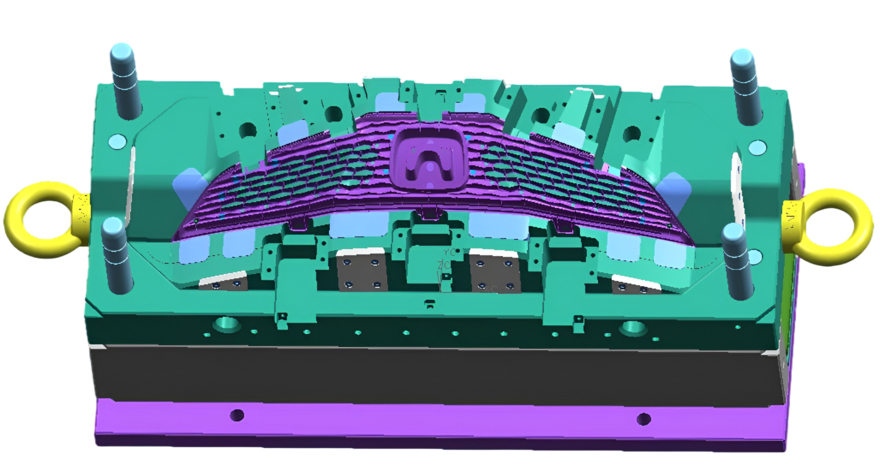
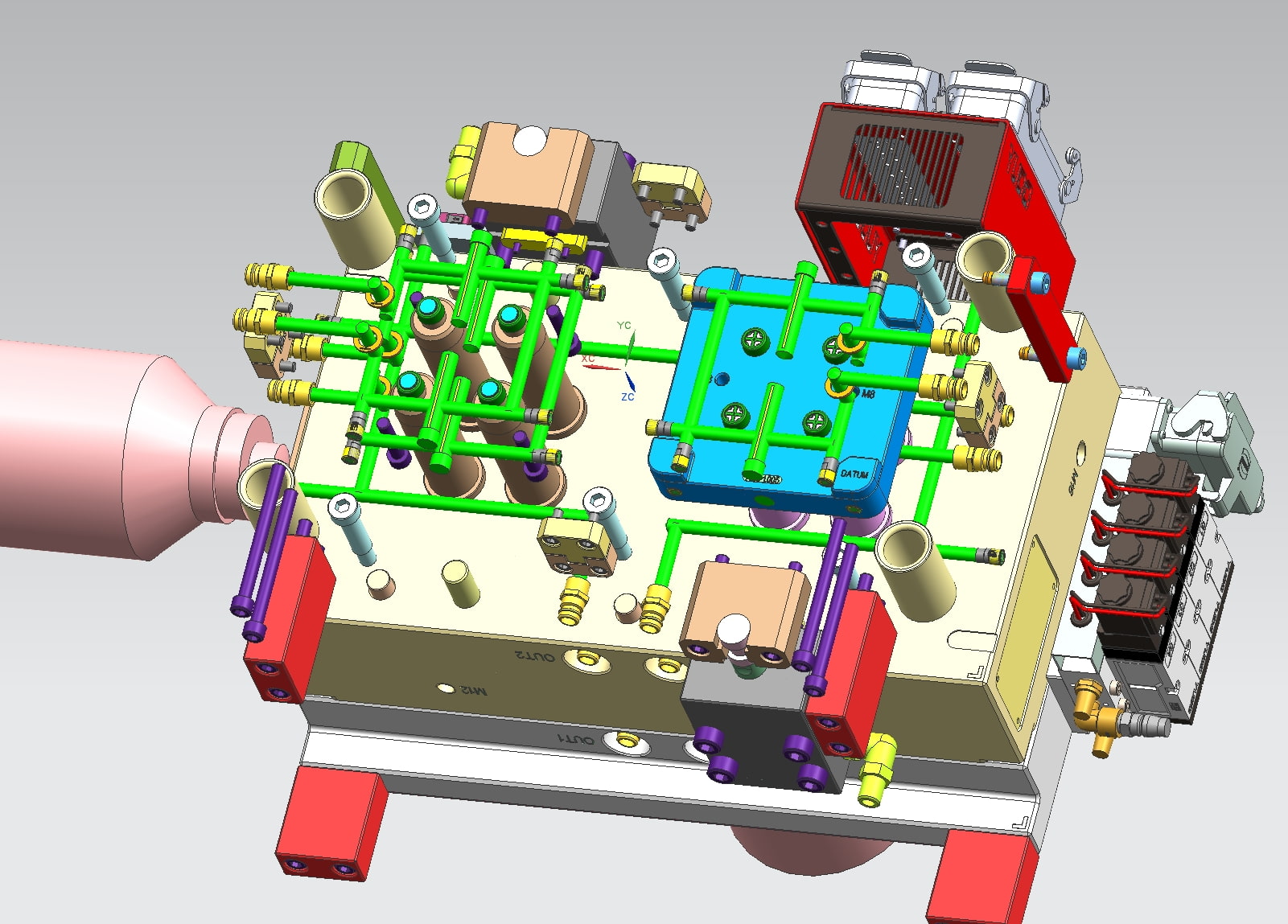
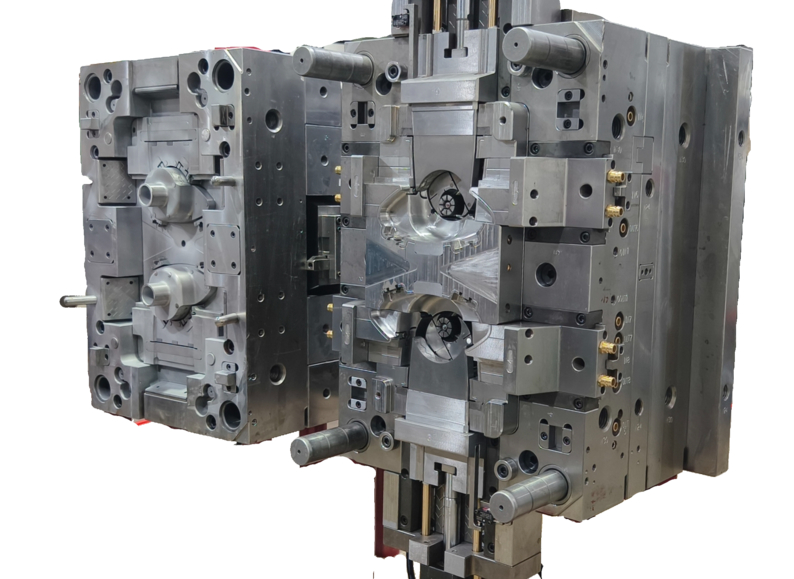
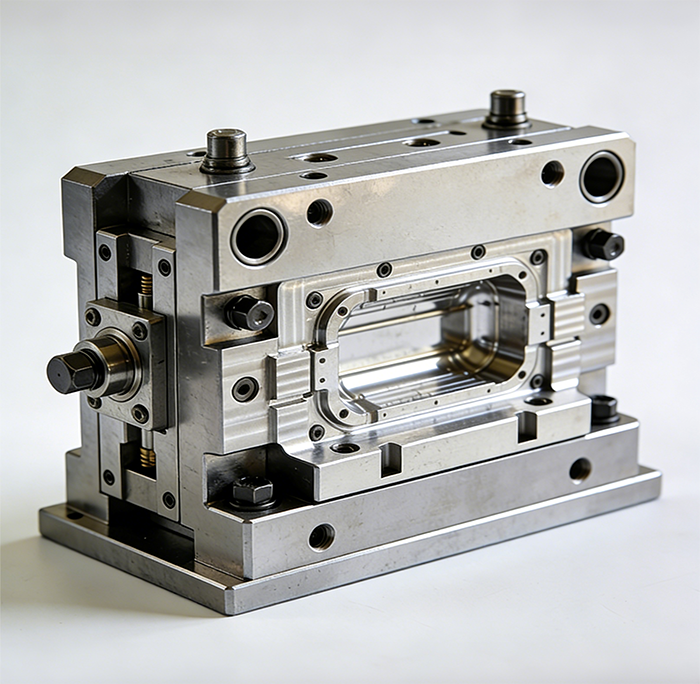
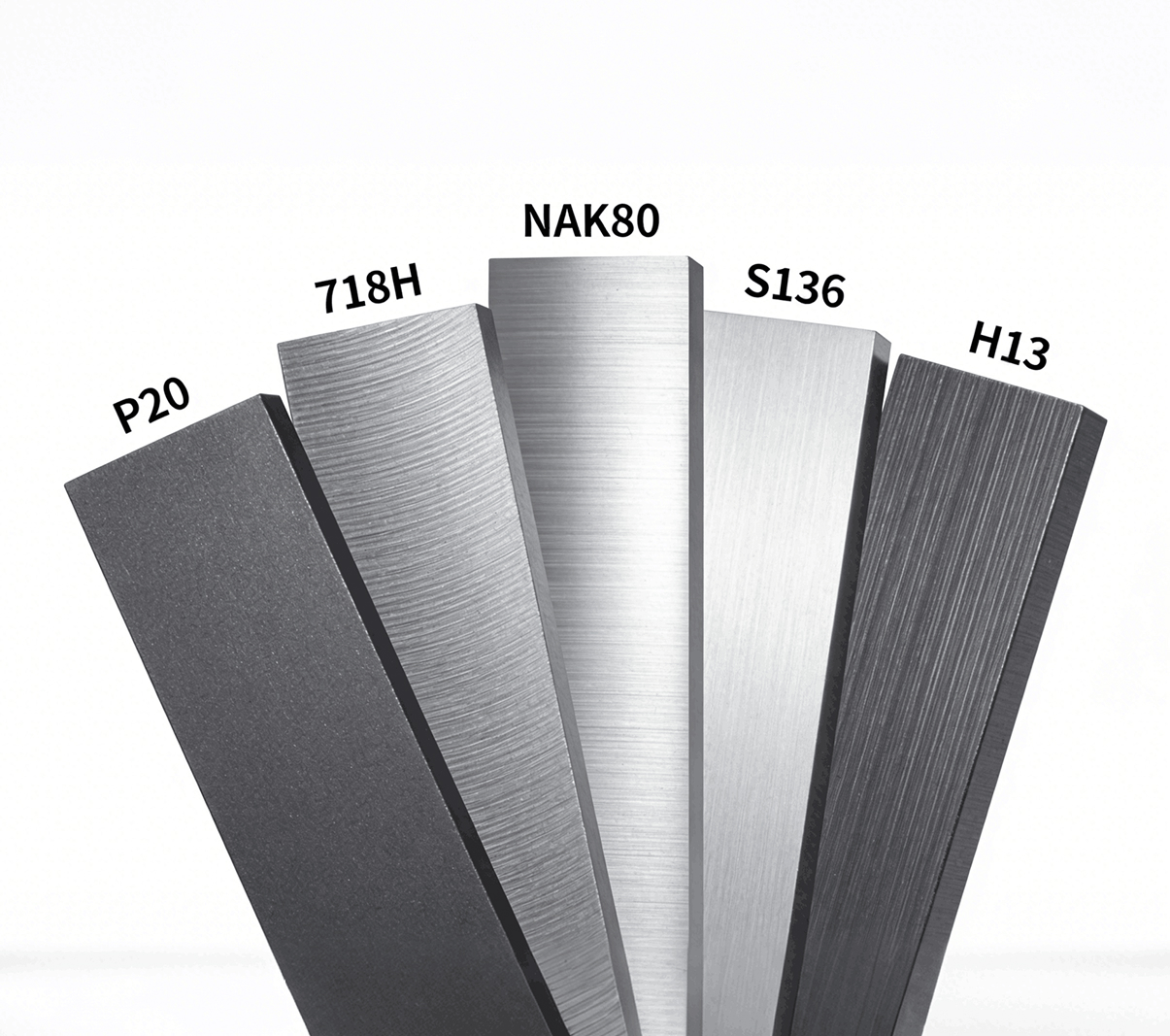
Features: Delivered in a pre-hardened state, ready for direct machining without secondary heat treatment; excellent machinability, moderate polishability, medium cost and high cost performance.
Applications: Molds for ordinary engineering plastic products with low-to-medium complexity and small-to-medium batch production (100,000-300,000 mold shots), such as daily necessities, home appliance parts and automotive interior parts molds made of ABS, PP and PE.
Features: An improved version of P20 steel, nickel-added to optimize material purity and performance uniformity; delivered hardness of 35-40 HRC, stronger deformation resistance, better polishability and longer service life than P20 steel.
Applications: Medium-to-large molds requiring high precision and long service life (300,000-500,000 mold shots); compatible with reinforced plastics like PA+glass fiber and PC/ABS, suitable for molds of precision electronic components, automotive functional parts and high-gloss home appliance panels.
Features: Pre-hardened mirror mold steel with an outgoing hardness of 40-42 HRC, machinable without heat treatment to avoid dimensional deformation caused by heat treatment; excellent mirror polishing performance, low surface roughness, and capable of achieving optical-grade mirror finish.
Applications: Molds for high-transparency and high-gloss plastic products, such as molds for optical components (camera lenses, light guide plates), cosmetic packaging, and automotive high-gloss grilles made of PC and PMMA (acrylic). The service life of the mold can reach 500,000-1,000,000 mold shots.
Features: High chromium content enables a dense chromium oxide protective film on the surface, providing excellent corrosion resistance. It can withstand corrosive media like PVC, flame-retardant materials and acidic plastics for a long time, without additional plating even in humid environments; excellent polishability, with a hardness of 48-52 HRC after heat treatment and good wear resistance.
Applications: Molds for harsh scenarios such as medical and food packaging, applicable to syringe molds, vial molds, food container molds and optical lens molds. The mold service life exceeds 500,000-1,000,000 mold shots, and is far longer than ordinary mold steel in corrosive environments.
Features: Hot work mold steel with a hardness of 48-52 HRC after heat treatment, excellent heat resistance and thermal fatigue resistance. It can work continuously at 500-600℃, and withstand up to 650℃ in short term; high wear resistance, suitable for rapid cycle production and high-temperature engineering plastic processing.
Applications: Molds for high-temperature plastics such as PEEK, LCP and PPS, as well as high-strength filled plastics like PA+glass fiber and PBT+glass fiber. Widely used in automotive engine cover molds, battery case molds and medical device molds, meeting the long-life production demand of over 1,000,000 mold shots.

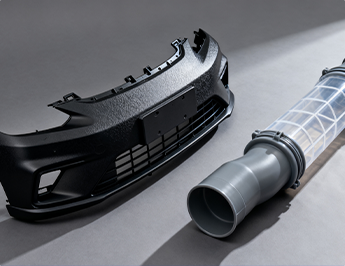
A key application field of injection molding technology, covering automotive interior parts, exterior parts, and functional components.
Applied Products: Instrument panel components, door panel trim, automotive bumpers, wire harness sheaths, plastic parts around engines (e.g., oil pipe housings).
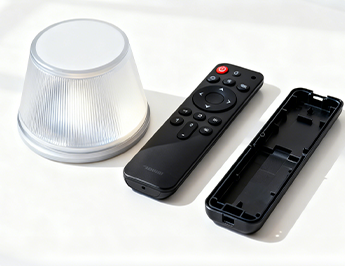
Crucial for the manufacturing of electronic device casings, structural parts, and insulating components.
Applied Products: Mobile phone casings, computer host enclosures, remote control housings, LED lamp covers, circuit board insulating parts.
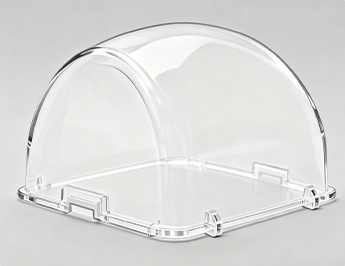
Relies on high-precision injection molding to produce sterile components with good biocompatibility (usually using engineering plastics or specialty plastics).
Applied Products: Medical syringe plungers, sampling tube housings, surgical instrument handles, transparent covers for diagnostic equipment.
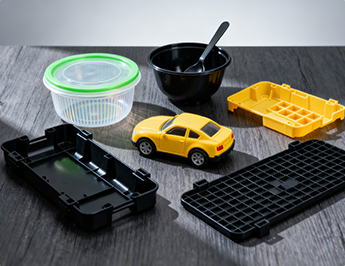
The most widely used field of injection molding, mainly focusing on daily-use plastic products with simple to moderately complex structures.
Applied Products: Plastic food storage containers, disposable tableware, toy housings (e.g., building blocks), household appliance casings (e.g., rice cooker lids).

This technology not only meets the packaging requirements of different fields such as food, industry, and logistics but also aligns with the lightweight trend of "green packaging".
Applied Products: Plastic bottle caps, food packaging films (products of injection-stretch blow molding derivative process), cosmetic container bodies.
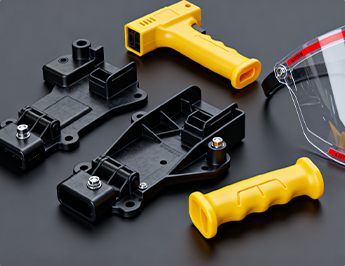
In the mechanical field, wear-resistant and high-strength structural components require wear resistance, strong load-bearing capacity, high precision, and cost-effectiveness.
Applied Products: Gearbox housings, bearing cages, plastic handles for industrial tools, protective covers for mechanical components.

RM1223, 12F, No.1, Fuji Bldg, No. 6018 Longgang RD. , Longgang Dist., Shenzhen,China.


Tel: 0086-755-89618186

Contact: Paul Hu 0086-18675501028


 LEAVE MESSAGE