To begin with, design decisions have a direct impact on manufacturing efficiency, cost, and product quality. In plastic injection molding, where tooling investment is high and production is repeated at scale, even small design issues can lead to significant losses. This is where design for manufacturability (DFM) becomes essential. By aligning product design with the realities of injection mold design and production processes, manufacturers can reduce defects, shorten lead times, and improve overall consistency.
At its core, DFM in mold engineering refers to optimizing part design so it can be manufactured efficiently using injection molding. Rather than adjusting problems after tooling is built, DFM focuses on preventing them early in development. This proactive approach is especially important because mold modifications are costly and time-consuming. As a result, applying DFM for injection molding ensures that parts meet functional requirements while remaining cost-effective to produce.
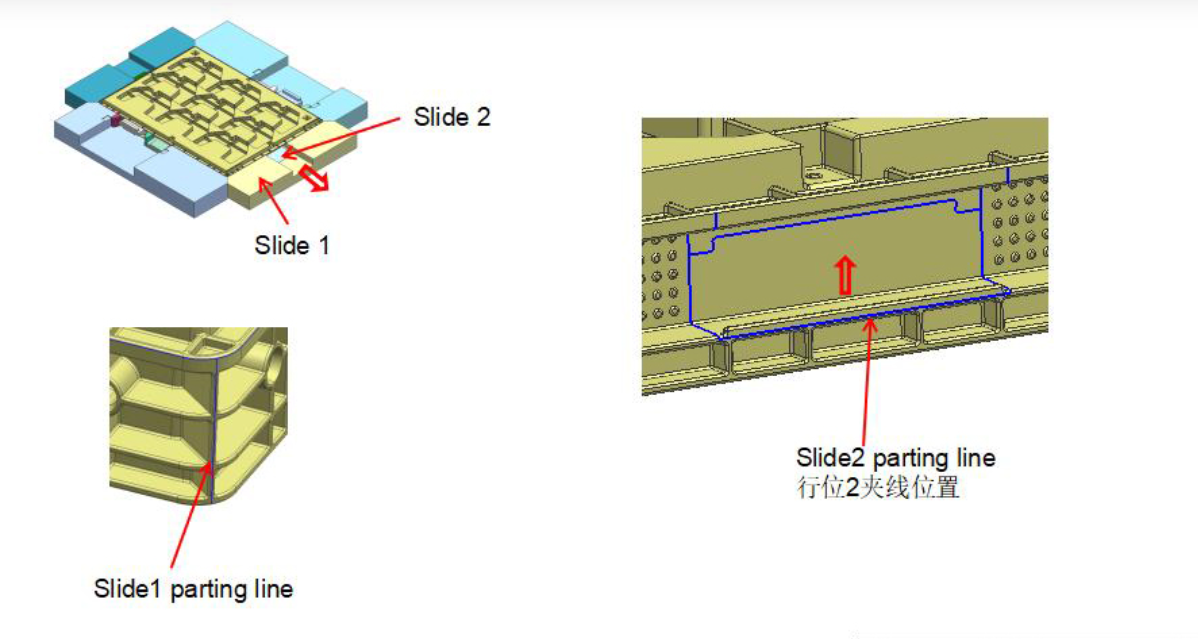
When considering DFM, it is important to understand how different injection molding processes affect mold design. Standard injection molding is widely used for general plastic parts, but specialized methods introduce additional considerations.
For instance, insert molding and overmolding require precise alignment and secure positioning of inserts, especially when using vertical presses.
Meanwhile, stack molding increases production output by incorporating multiple parting surfaces, but it also increases mold complexity.
Similarly, high cavitation molds produce more parts per cycle, reducing cost per unit, yet demand strict tolerance control and consistent process stability.
Therefore, selecting the right molding method is a key step in effective DFM.
Beyond process selection, several structural elements define successful injection
mold design
optimization. Part design plays a central role, as complex geometries often require advanced tooling solutions. At the same time, mold material selection determines tool durability and lifecycle cost.
In addition, core and cavity design must ensure dimensional accuracy, while the cooling system directly affects cycle time and part quality. Proper venting design prevents air traps and burn marks, and a well-planned ejection system ensures smooth part removal without damage. Together, these elements form the foundation of reliable mold performance.
From a design perspective, several guidelines are widely recognized in plastic part design for injection molding. Uniform wall thickness is one of the most important factors. Consistent thickness helps maintain dimensional stability and reduces the risk of defects such as warpage and sink marks. In cases where thickness variation is necessary, gradual transitions improve material flow.
At the same time, proper draft angles are essential. Adding a small taper allows parts to be released from the mold more easily, reducing friction and surface damage.
Another key factor is gate design and placement. The gate controls how molten plastic enters the mold cavity, influencing flow behavior, appearance, and structural integrity. Poor gate placement can lead to defects, while optimized positioning supports balanced filling and better product quality.
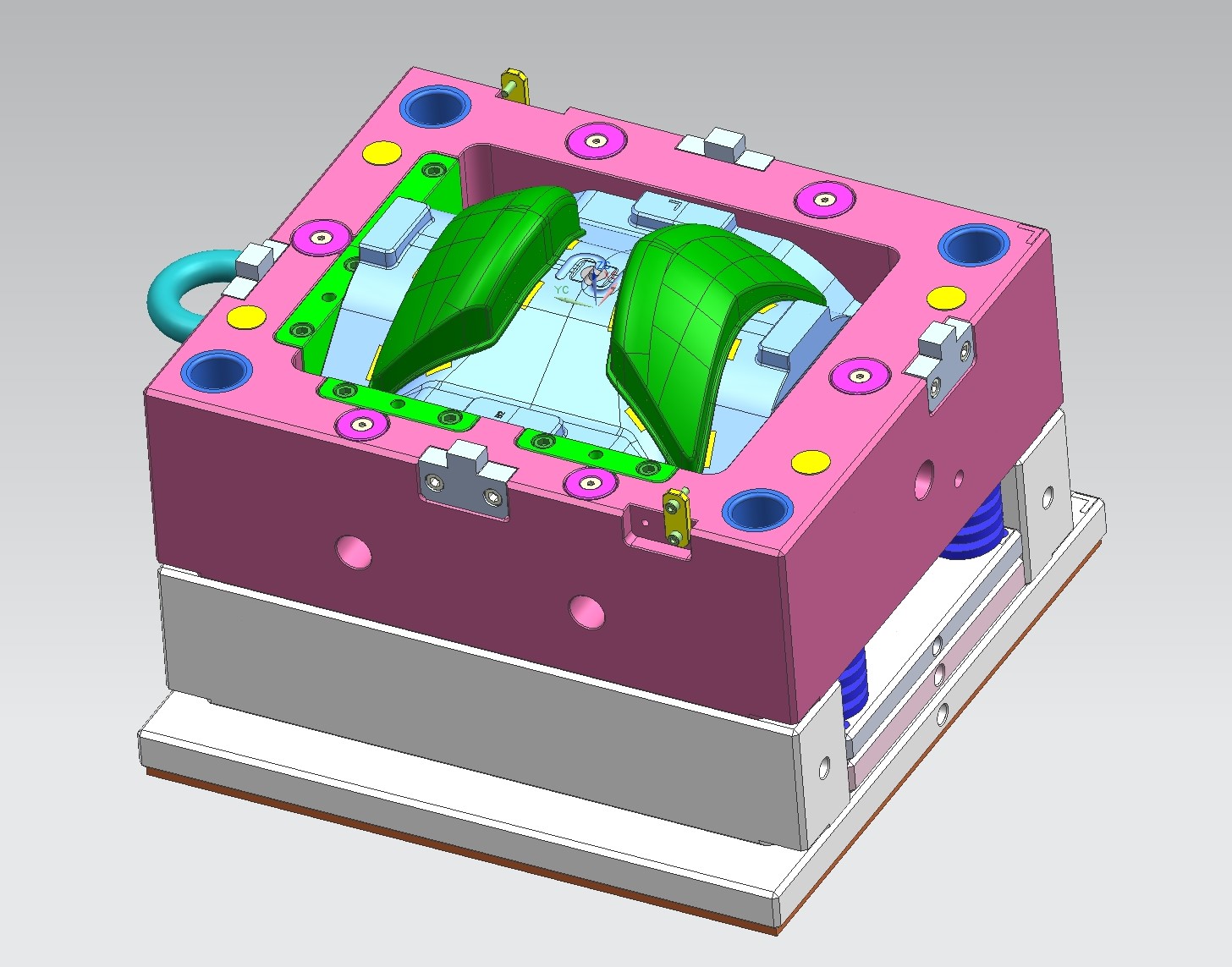
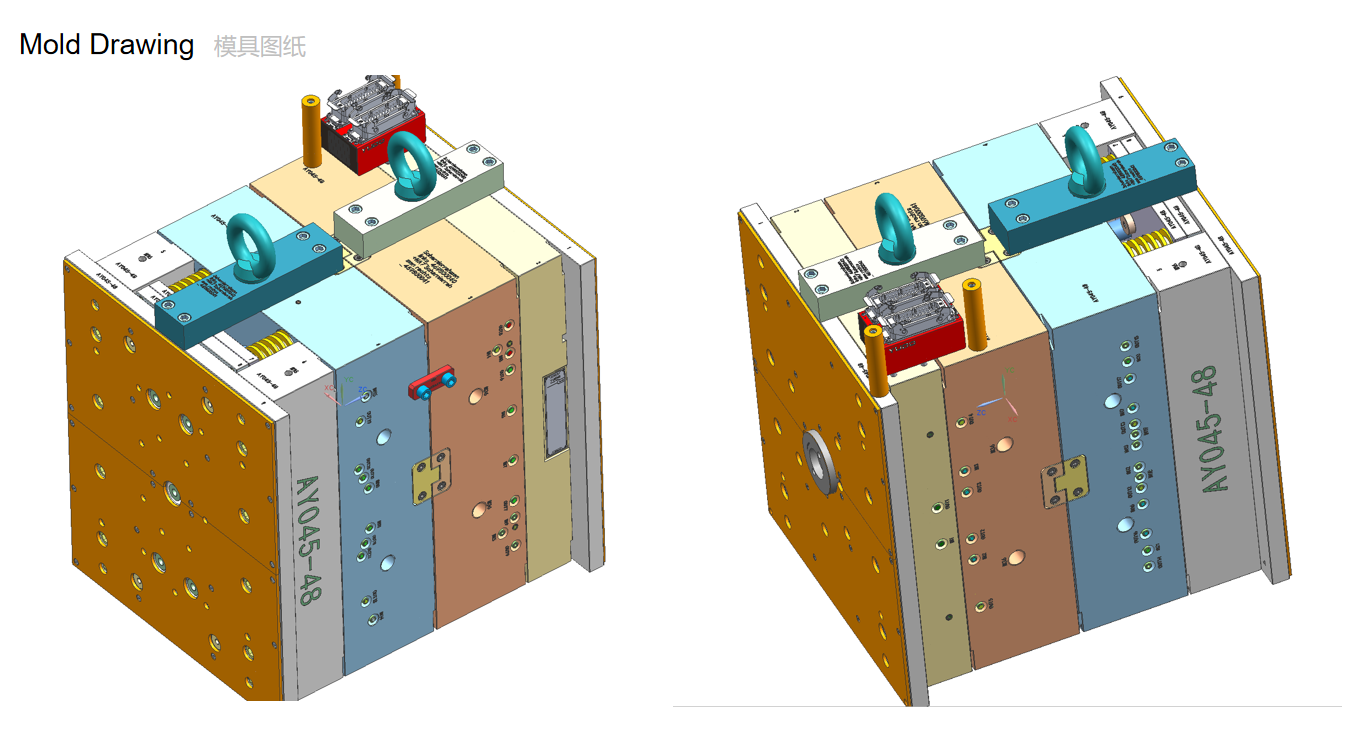
When moving from design to production, tooling decisions play a major role in overall cost. Production volume is a key consideration. High-volume projects typically justify investment in durable molds, while low-volume runs may benefit from prototype tooling.
In addition, part complexity directly affects tooling requirements. Features such as undercuts or side actions increase both cost and lead time. Material selection also plays a role, as different plastics have unique flow characteristics, shrinkage rates, and thermal properties. Therefore, balancing injection mold cost factors with performance requirements is critical for long-term efficiency.
Beyond design and tooling, process control is essential for achieving consistent results. For example, hot runner systems are often preferred over cold runners because they reduce material waste and improve cycle efficiency.
Meanwhile, mold flow analysis is widely used during the design stage to simulate how plastic fills the mold. This helps identify potential issues such as air traps, weld lines, or uneven cooling before production begins.
In addition, controlling key parameters such as temperature, pressure, and injection speed ensures that parts remain within tolerance and maintain consistent quality across production runs.
Despite best practices, certain mistakes still occur in DFM for injection molding. Ignoring wall thickness consistency can lead to defects, while insufficient draft angles may cause ejection problems. Poor gate design often results in uneven filling or cosmetic issues.
Another common issue is over-engineering, where unnecessarily tight tolerances increase manufacturing difficulty and cost. Furthermore, skipping DFM analysis altogether often leads to expensive rework after tooling is completed. Avoiding these mistakes helps ensure a smoother production process.
When applied correctly, DFM delivers clear advantages. It reduces production costs by minimizing material waste and cycle time. It also shortens development timelines by preventing redesigns.
More importantly, DFM improves product consistency, ensuring that each part meets quality standards. Over time, this leads to higher efficiency, lower defect rates, and better overall manufacturing performance.
Although DFM can be applied at different stages, the greatest impact comes during early design. At this stage, design flexibility is higher, and changes can be made without significant cost. Collaborating with experienced mold engineers during this phase ensures that potential issues are identified and resolved before tooling begins.
Ultimately, design for manufacturability in mold engineering is not just a design strategy but a critical part of successful injection molding. By aligning part design, tooling, and process control, manufacturers can achieve better quality, lower costs, and more reliable production. A well-executed DFM approach creates a strong foundation for scalable and efficient manufacturing.
If you are looking to improve your product design and manufacturing efficiency, AAA MOULD is here to help. As an experienced plastic mold manufacturer, we provide comprehensive solutions including DFM analysis, precision mold design, and injection molding services. Our engineering team works closely with you from concept to production, ensuring your parts are optimized for quality, cost, and performance.
Contact AAA MOULD today
to turn your ideas into reliable, high-quality molded products.

RM1223, 12F, No.1, Fuji Bldg, No. 6018 Longgang RD. , Longgang Dist., Shenzhen,China.


Tel: 0086-755-89618186

Contact: Paul Hu 0086-18675501028




 LEAVE MESSAGE