Plastic injection molding is widely used to produce parts with stable dimensions and repeatable quality. However, even with advanced injection molding technology, dimensional variation can still occur if the mold design, material selection, or molding process is not properly controlled. For this reason, dimensional inspection plays a critical role in ensuring that injection molded parts meet design specifications and function correctly in final applications.
Moreover, dimensional accuracy directly affects assembly performance, sealing ability, product appearance, and overall product reliability. In industries such as automotive, medical devices, electronics, and consumer products, even small dimensional errors may lead to assembly failures or product defects. Therefore, implementing proper dimensional inspection methods is essential for maintaining consistent molded part quality.
This article explains why dimensional inspection matters in plastic injection molding, common causes of dimensional variation, important inspection tools, and practical methods to improve dimensional consistency during production.
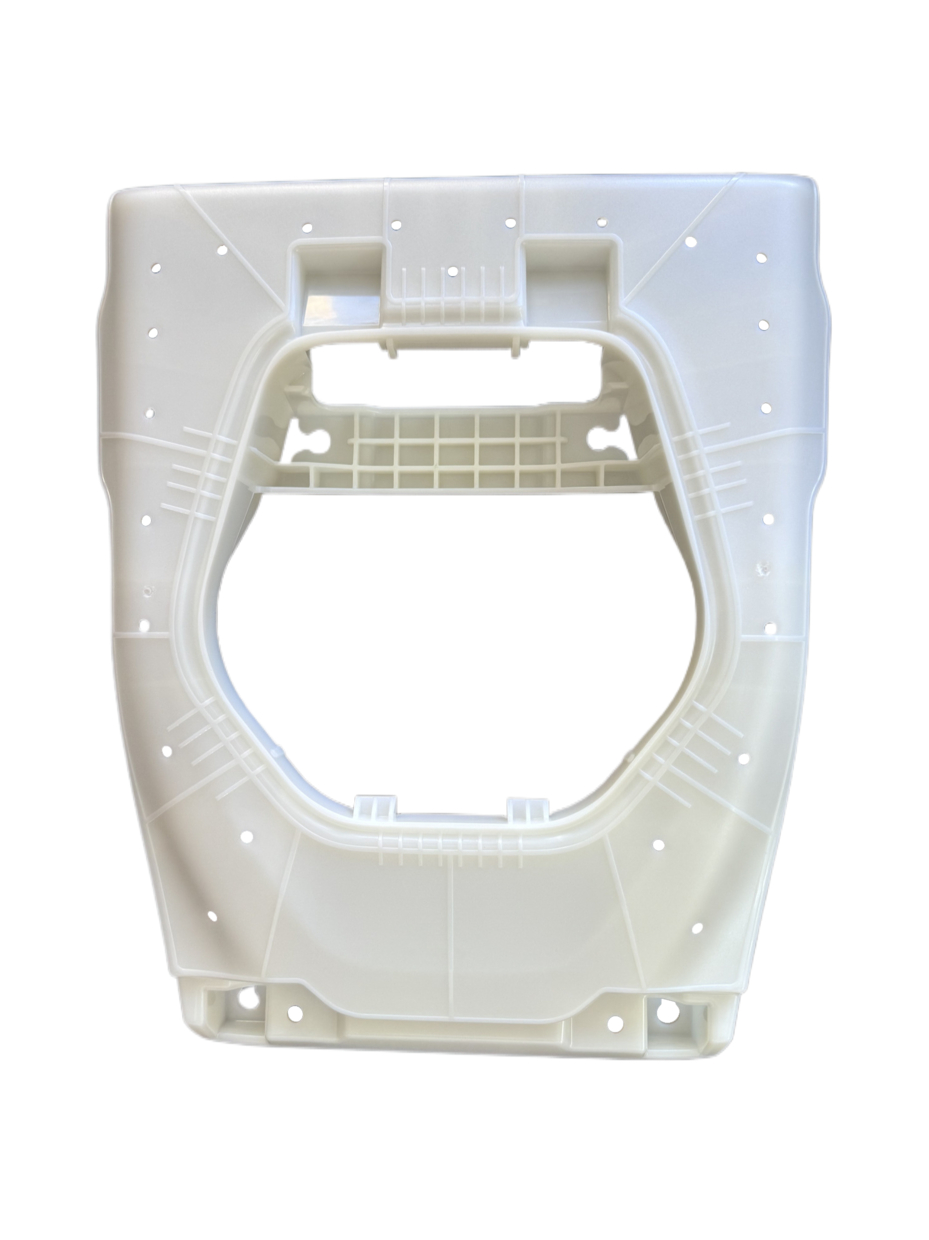
To begin with, many
plastic injection molded parts
are designed to work together with other components. If the dimensions are outside the specified tolerance range, the parts may not fit correctly during assembly.
For example, holes, clips, threads, and sealing surfaces all require accurate dimensions. A small deviation can create loose fitting, excessive tightness, or misalignment. As a result, assembly efficiency decreases, and rejection rates increase.
Therefore, maintaining tight dimensional control helps ensure smooth assembly operations and stable product quality.
In addition, dimensional consistency is closely related to product performance. Components used in automotive systems, electrical housings, or medical devices often require high precision to function properly.
If molded parts shrink unevenly or warp during production, the final product may experience sealing issues, vibration problems, or structural weakness. Consequently, dimensional inspection helps manufacturers identify problems early before defective parts enter the market.
At the same time, dimensional defects increase manufacturing costs. Parts that fail inspection may require rework, additional processing, or complete replacement.
Furthermore, unstable dimensions often create unnecessary material waste and machine downtime. By monitoring dimensions during the injection molding process, manufacturers can reduce scrap rates and improve production efficiency.
One major factor affecting dimensional accuracy is mold design. Poor mold structure can lead to uneven cooling, inconsistent shrinkage, and unstable part dimensions.
For instance, uneven wall thickness may create sink marks or warpage. Incorrect gate location can also affect material flow inside the cavity. Similarly, insufficient venting may trap gas and create short shots or burn marks.
Because of this, proper mold design is critical for precision plastic injection molding.
In addition to mold design, injection molding process parameters strongly influence dimensional stability.
Injection pressure, injection speed, melt temperature, mold temperature, cooling time, and holding pressure must remain stable throughout production. If these parameters fluctuate, the dimensions of molded parts may change from cycle to cycle.
For example, excessive mold temperature can increase material shrinkage, while insufficient holding pressure may cause incomplete filling or sink marks. Therefore, maintaining stable process control is essential for accurate injection molded parts.
Another important factor is material behavior. Different plastic materials have different shrinkage rates during cooling.
Materials such as ABS, PP, PC, and nylon all respond differently during the injection molding process. Some materials shrink more than others, while some absorb moisture and change dimensions over time.
As a result, selecting suitable plastic materials and understanding their shrinkage characteristics are important steps in dimensional control.
Machine condition also affects dimensional consistency. Worn molds, unstable clamping force, or poorly maintained equipment may cause flash, size variation, or part deformation.
Additionally, multi-cavity molds require careful balancing to ensure all cavities produce consistent parts. Without proper maintenance and calibration, dimensional variation between cavities may occur.
Many manufacturers use manual tools such as calipers, micrometers, and height gauges for dimensional inspection.
These tools are suitable for checking basic dimensions, especially during routine production inspections. When properly calibrated, they provide fast and reliable measurements for many injection molded parts.
For high-precision applications, Coordinate Measuring Machines (CMM) are widely used.
CMM systems can measure complex geometries with high accuracy. They are especially useful for precision plastic components with tight tolerances. In addition, CMM inspection improves repeatability and reduces human measurement errors.
Meanwhile, automated vision systems are becoming increasingly common in plastic injection molding factories.
These systems use cameras and software to inspect dimensions quickly and consistently. Since they are non-contact inspection methods, they are suitable for delicate or complex molded parts.
Laser scanning systems also help manufacturers inspect complicated surfaces and three-dimensional shapes.
Compared with manual inspection, laser scanning can improve efficiency and provide detailed dimensional analysis for precision molded parts.
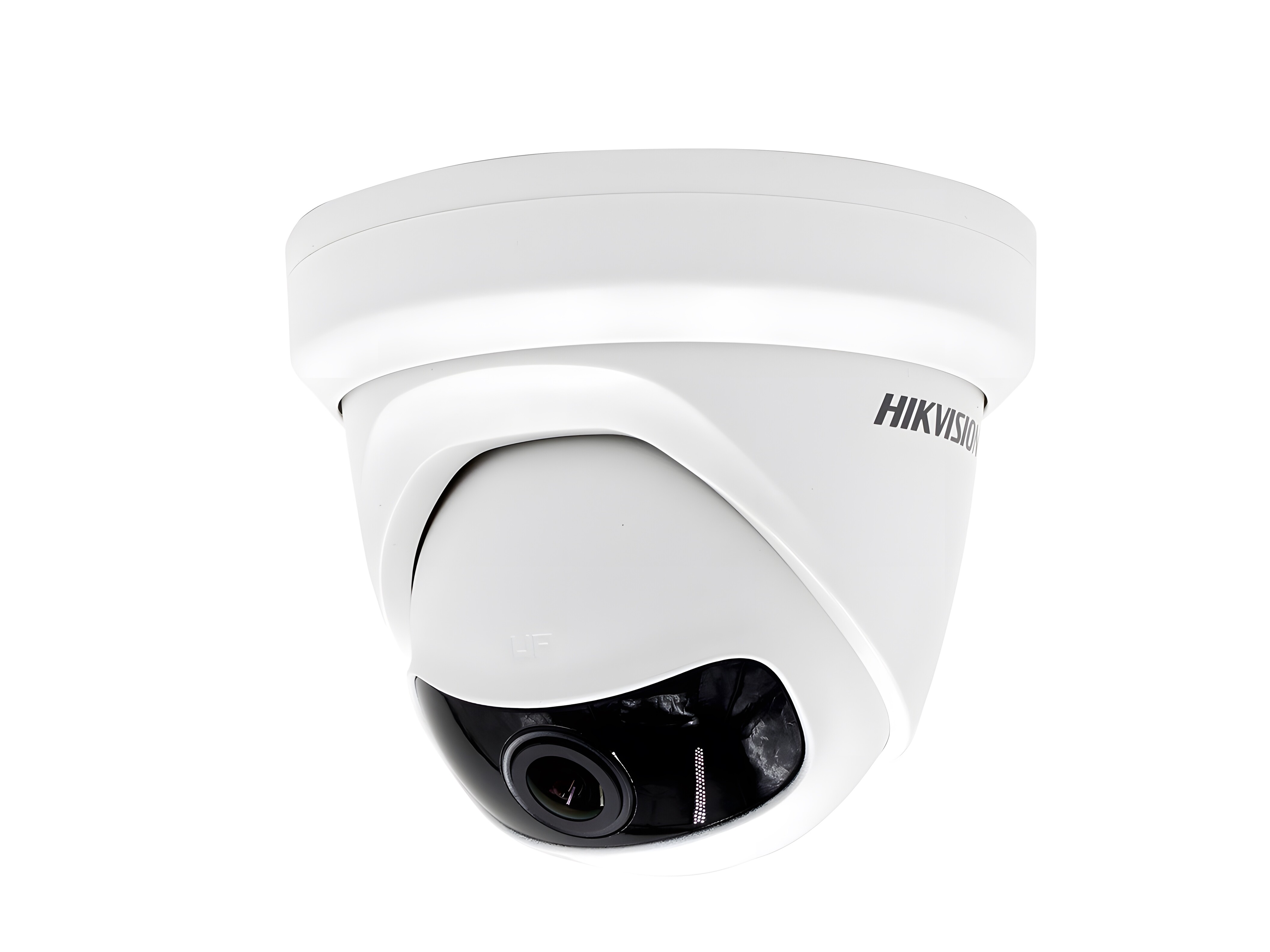
Before inspection begins, manufacturers should carefully review engineering drawings, CAD models, and tolerance requirements.
Critical dimensions related to assembly, sealing, or product performance should receive special attention during inspection.
Environmental conditions can affect measurement accuracy. Therefore, dimensional inspection should be conducted in a clean and temperature-controlled area whenever possible.
Stable temperature and humidity help reduce measurement variation caused by material expansion or contraction.
Not all dimensions have the same importance. Functional dimensions that directly affect assembly or product performance should be inspected first.
By prioritizing critical-to-quality dimensions, manufacturers can improve quality control efficiency and reduce the risk of functional failures.
Statistical Process Control (SPC) is widely used in modern injection molding production.
SPC systems monitor dimensional trends in real time and help identify process variation early. When dimensional data moves outside the control range, operators can quickly adjust the injection molding process before defects become serious.
As a result, SPC improves consistency and reduces production waste.
First Article Inspection is another important quality control method.
Before mass production begins, manufacturers inspect the first molded parts thoroughly to confirm that the mold and process meet design requirements. This helps identify dimensional issues early and prevents large-scale production problems.
Modern injection molding factories increasingly use cavity pressure sensors and digital monitoring systems to improve dimensional consistency.
Cavity pressure data helps manufacturers understand how material fills and packs inside the mold. Stable cavity pressure generally leads to stable part dimensions.
At the same time, monitoring melt temperature, cooling conditions, and injection pressure helps reduce dimensional drift during long production runs.
With automated process monitoring systems, manufacturers can improve repeatability and maintain stable molded part quality over time.
Several dimensional problems frequently appear in plastic injection molding production.
For example, warpage is often caused by uneven cooling or inconsistent wall thickness. Flash may result from excessive injection pressure or mold wear. Sink marks commonly occur in thick wall sections due to uneven shrinkage.
Additionally, poor process control may create unstable part dimensions between production batches.
To reduce these issues, manufacturers should optimize mold design, improve cooling systems, maintain stable process parameters, and conduct regular dimensional inspections.
Dimensional inspection is an essential part of plastic injection molding quality control. Accurate dimensions help ensure proper assembly, stable product performance, lower rejection rates, and improved customer satisfaction.
At the same time, dimensional accuracy depends on many factors, including mold design, material selection, injection molding process control, and inspection methods. By combining proper tooling design, stable molding parameters, and advanced dimensional inspection technology, manufacturers can consistently produce high-quality injection molded parts.
As precision requirements continue to increase across industries, dimensional inspection will remain a key part of modern plastic injection molding manufacturing.
AAA MOULD is a professional plastic mold manufacturer specializing in precision injection mold design, plastic injection molding, and custom plastic parts manufacturing. With extensive experience in mold engineering, dimensional control, and quality inspection, AAA MOULD provides reliable solutions for automotive, medical, electronics, household, and industrial applications.
If you are looking for a trusted plastic mold manufacturer for high-quality injection molded parts, AAA MOULD is ready to support your project with professional engineering, stable production, and strict quality control.
Contact AAA MOULD today
to discuss your custom injection molding requirements.

RM1223, 12F, No.1, Fuji Bldg, No. 6018 Longgang RD. , Longgang Dist., Shenzhen,China.


Tel: 0086-755-89618186

Contact: Paul Hu 0086-18675501028




 LEAVE MESSAGE