Ultrasonic welding has become one of the most widely used methods for assembling thermoplastic parts produced through injection molding. Manufacturers prefer this joining technique because it offers high precision, fast cycle times, low energy consumption, and a clean production process without additional adhesives or fasteners.
However, despite the advantages of ultrasonic welding, many manufacturers encounter inconsistent weld quality, weak joints, or damaged parts during production. In many cases, these problems are not caused by the welding equipment itself. Instead, the root causes often lie in poor plastic part design, unstable injection molding processes, or improper welding parameters.
Therefore, it is essential to understand that ultrasonic welding and injection molding are closely connected processes. The quality of the molded part directly affects the welding result. By understanding the common mistakes in both design and manufacturing stages, engineers can significantly improve assembly reliability and production efficiency.
First of all, one of the most common mistakes in ultrasonic welding is improper joint design. Without a suitable welding joint, ultrasonic energy cannot be effectively concentrated at the joining interface.
In many applications, specialized joint structures such as energy directors, shear joints, or tongue-and-groove designs are used to guide the melting of plastic during welding. These features allow ultrasonic vibration to generate localized heat, which melts the plastic and forms a strong bond between the parts.
In addition, the location of the welding joint also plays a critical role. Ideally, the weld interface should be positioned close to the horn contact surface. When the distance between the horn and the weld joint becomes too large, ultrasonic vibrations weaken as they travel through the material, reducing welding efficiency.
Furthermore,
injection molded parts
should include proper alignment features such as locating pins, grooves, or mating steps. These elements help ensure that both parts remain correctly positioned during welding. Without accurate alignment, the applied welding force may become uneven, leading to inconsistent weld strength.
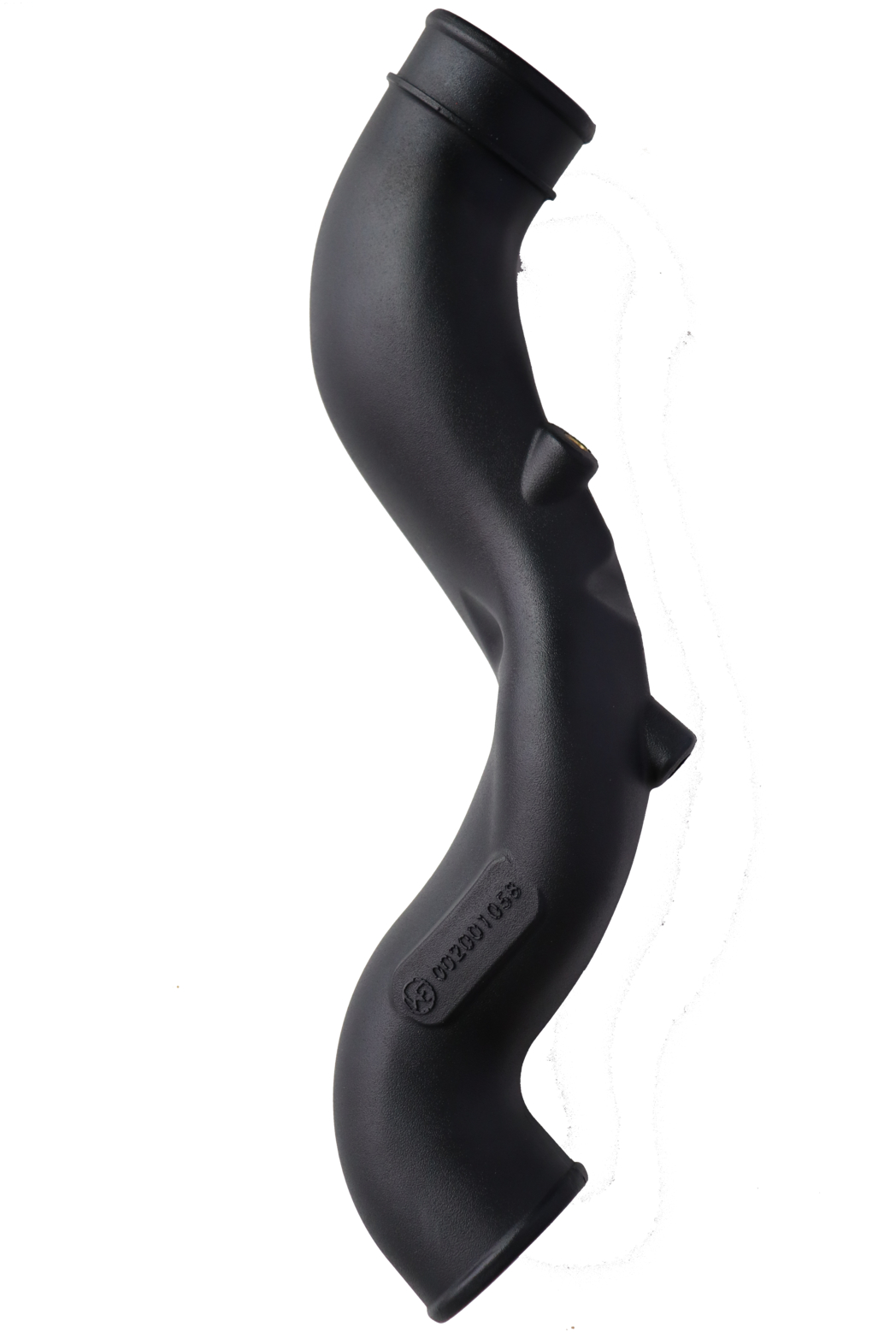
Another important factor affecting ultrasonic welding performance is wall thickness design in injection molded parts. When plastic components have inconsistent wall thickness, several manufacturing problems may occur.
For example, thick areas of the part may cool more slowly than thinner sections. As a result, sink marks, internal stresses, or deformation can appear on the part surface. These defects reduce the contact area between the ultrasonic horn and the plastic component, which weakens the transmission of vibration energy.
To avoid these problems, designers should maintain uniform wall thickness throughout the part whenever possible. If changes in thickness are necessary, the transition should be gradual rather than abrupt. In most engineering practices, wall thickness variation should remain within approximately 15–25 percent to maintain stable molding conditions.
By following these design guidelines, manufacturers can improve both injection molding quality and ultrasonic welding consistency.
In addition to wall thickness issues, warpage is another common problem that can significantly affect ultrasonic welding results. Warpage occurs when molded plastic parts deform from their intended shape due to uneven cooling or internal stress.
When warpage occurs, parts may not fit together properly during assembly. As a result, welding joints may not align correctly, and the ultrasonic horn may apply uneven pressure across the part surface. These conditions can lead to incomplete welding or weak bonds.
Several factors may cause warpage during injection molding. These include improper cooling design, excessive injection pressure, and high internal stress within the plastic material. In some cases, poor mold design may also contribute to uneven shrinkage during solidification.
Fortunately, there are several effective solutions. Increasing holding time during the injection molding process can allow the plastic to solidify more evenly. Adjusting injection pressure and melt temperature can also reduce internal stress. Additionally, incorporating ribs or structural supports into the part design may improve dimensional stability.
Another issue that frequently affects ultrasonic welding is the presence of sink marks or uneven surfaces on injection molded parts. Sink marks typically occur when thicker sections of a plastic component shrink more than surrounding areas during cooling.
When sink marks appear on the surface that contacts the ultrasonic horn, the effective contact area becomes smaller. As a result, the welding force is distributed unevenly across the part, reducing the amount of heat generated at the weld joint. This can lead to incomplete fusion between the parts.
Sink marks are often caused by insufficient shot size, thick wall sections, or inadequate mold cooling. In some cases, poor venting inside the mold can also contribute to this defect.
To reduce the risk of sink marks, engineers should optimize shot size and injection pressure during molding. Thick areas of the design can also be cored out to maintain uniform wall thickness. Additionally, proper mold venting and cooling design can help improve overall part quality.
Another common challenge in ultrasonic welding assembly is dimensional instability in injection molded parts. Even small variations in part dimensions can significantly affect welding performance.
For example, if two plastic parts fit too tightly, the welding process may require longer weld times and higher energy levels. On the other hand, if the parts fit too loosely, the designed joint structure may not engage properly, resulting in weak welds.
Dimensional variations can occur for several reasons. Changes in injection molding parameters, inconsistent material batches, or variations in multi-cavity molds may all influence part dimensions.
To maintain stable welding performance, manufacturers should implement strict process control during injection molding. Maintaining consistent material quality, monitoring molding parameters, and performing regular mold maintenance can help ensure reliable part dimensions.
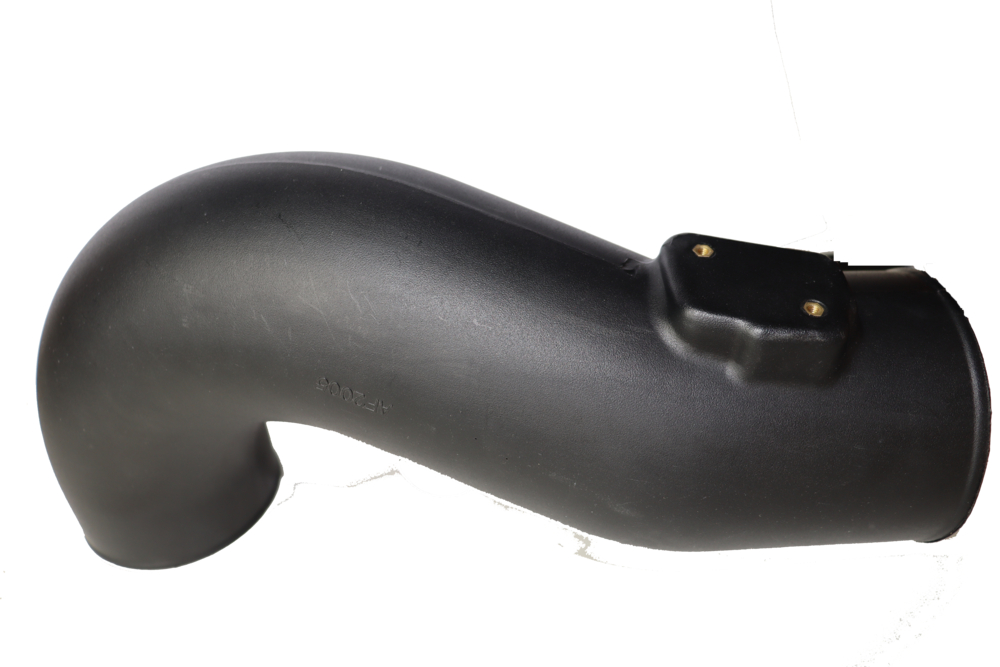
In addition to design and molding issues, misunderstandings about welding parameters can also lead to welding defects. One common misconception is that higher ultrasonic power always produces better welding results.
In reality, ultrasonic welding parameters must be carefully matched to the material and part design. Important parameters include welding amplitude, welding pressure, welding time, and vibration frequency.
If these parameters are incorrectly set, several problems may occur. Excessive energy may cause over-welding, resulting in excessive flash or deformation of the plastic part. On the other hand, insufficient energy may lead to incomplete welding and weak joints.
Therefore, welding settings should always be optimized based on the plastic material type, joint design, and required performance of the final assembly.
Finally, equipment quality also plays an important role in welding performance. Low-quality ultrasonic welding machines may produce unstable output power or inconsistent vibration amplitude.
In some cases, poorly manufactured equipment may use low-grade materials in transformers or transducers. These components are essential for converting electrical energy into ultrasonic vibration. If they are not properly designed, the welding process may become unstable and reduce production efficiency.
For this reason, manufacturers should carefully evaluate ultrasonic welding equipment suppliers. Reliable suppliers usually provide professional technical support, stable equipment performance, and accurate parameter control.
In summary, ultrasonic welding is a highly efficient and reliable method for assembling injection molded plastic parts. However, successful welding requires careful coordination between part design, injection molding processes, and welding parameters.
Many welding failures are not caused by the welding machine itself but by design defects, unstable molding conditions, or incorrect process settings. By improving joint design, controlling wall thickness, preventing warpage and sink marks, and maintaining stable molding parameters, manufacturers can significantly enhance welding quality and production consistency.
Ultimately, high-quality injection molded parts are the foundation of successful ultrasonic welding. Working with experienced mold manufacturers and engineers can help ensure that plastic components are designed and produced with assembly requirements in mind.
If you are looking for a reliable partner for high-precision plastic molds and injection molded components, AAA MOULD can help. With extensive experience in mold design, precision manufacturing, and injection molding solutions, AAA MOULD supports customers in developing plastic parts optimized for efficient assembly processes such as ultrasonic welding.
Contact AAA MOULD
, a trusted plastic mold manufacturer , to learn how professional mold design and high-quality injection molding can improve your product performance and production efficiency.

RM1223, 12F, No.1, Fuji Bldg, No. 6018 Longgang RD. , Longgang Dist., Shenzhen,China.


Tel: 0086-755-89618186

Contact: Paul Hu 0086-18675501028




 LEAVE MESSAGE