To begin with, injection molding is widely used to produce high-volume plastic components with consistent quality. However, even though the injection molding process is highly repeatable, the final accuracy of an injection molded part depends heavily on tolerance control. In fact, injection molding accuracy starts long before the first shot is made—it begins with precision mold manufacturing.
In simple terms, tolerance refers to the allowable variation in dimensions that still ensures proper function. When tolerances are not properly controlled, parts may not fit together, seal correctly, or meet performance requirements. Therefore, understanding the relationship between mold tolerance and injection molding process control is essential for achieving high precision injection molded parts.
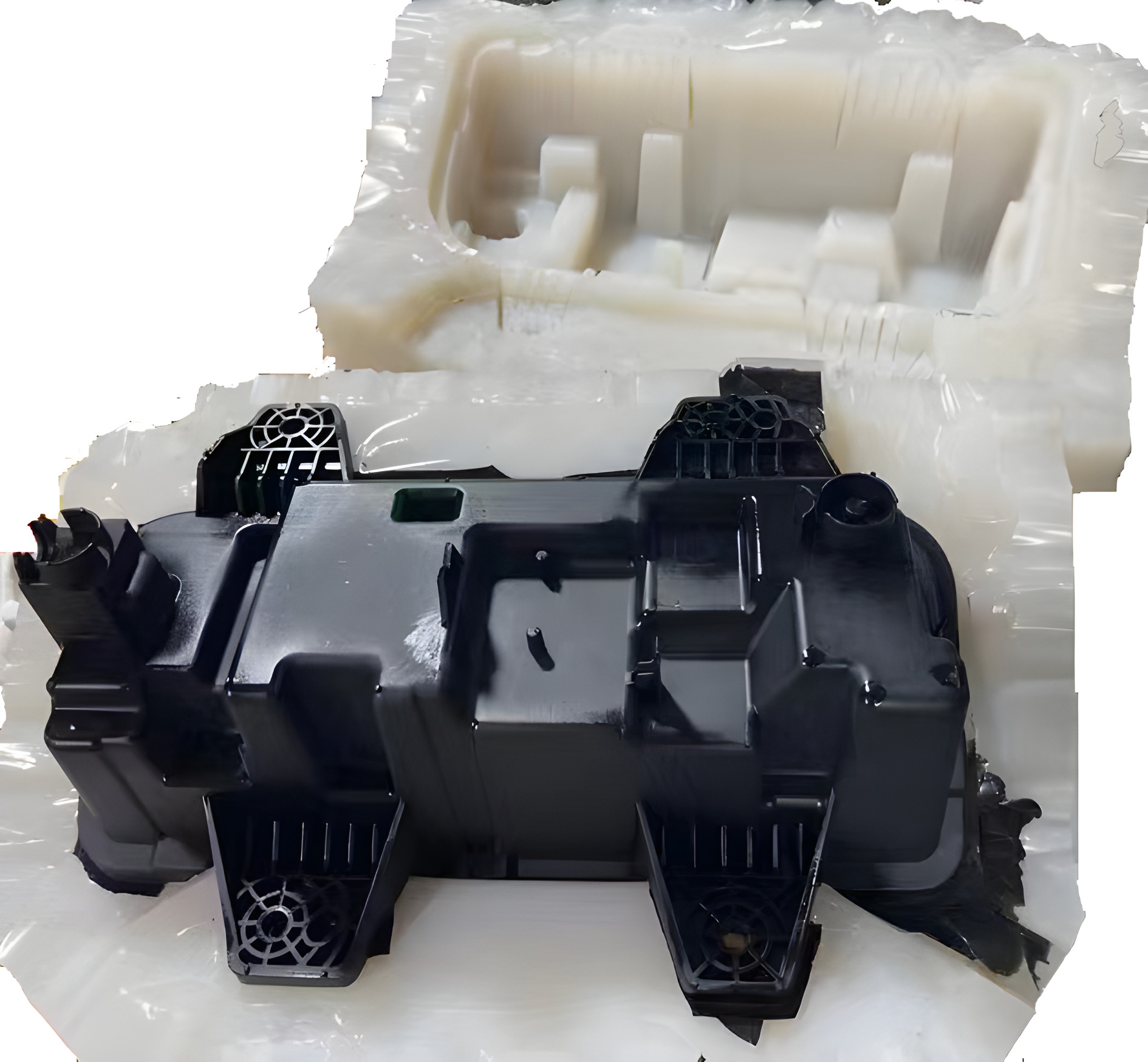
First of all, it is important to define what tolerance means in the context of injection molding. Injection molding tolerance refers to the acceptable dimensional variation between the designed size and the final molded part. Even small deviations can affect assembly, appearance, or mechanical performance.
Generally speaking, there are two key tolerance categories to consider:
On one hand, mold manufacturing tolerance refers to the dimensional accuracy built into the mold tool itself. This includes CNC machining precision, EDM accuracy, and the alignment of core and cavity components. For example, machining tolerances such as ±0.003 in. (±0.076 mm) directly affect the base dimensions of the mold.
Since the mold cavity defines the shape of the plastic part, any error in mold machining will transfer directly to the injection molded part. In other words, the
injection molding process
cannot compensate for poor tooling precision.
On the other hand, injection molding process tolerance relates to variations during production. These include fluctuations in injection pressure, injection speed, melt temperature, mold temperature, and cooling time. In addition, resin shrinkage plays a critical role. Resin tolerance may be no less than ±0.002 in./in., depending on material properties.
Therefore, the final part accuracy is the result of both mold manufacturing tolerance and injection molding process control.
Next, let us examine how mold precision influences the injection molding process.
First and foremost, the dimensions of the mold core and cavity determine the theoretical dimensions of the final part. If the cavity size is incorrect, the molded part will consistently reflect that deviation. This is especially critical in multi-cavity molds, where consistency between cavities affects overall production quality.
For this reason, precision mold manufacturing is essential for maintaining
injection molding
dimensional stability.
In addition, proper alignment of the mold base, guide pins, and parting surfaces ensures repeatability. Poor alignment may lead to flash, mismatch, or dimensional variation. Surface finish also influences part accuracy and consistency.
Moreover, mold wear over time can gradually affect tolerance stability. Using appropriate mold materials and maintaining the mold regularly help preserve dimensional accuracy during long production runs.
While mold precision is fundamental, the injection molding process must also be carefully controlled to maintain tight tolerances.
To begin with, injection pressure and speed directly influence how the molten plastic fills the cavity. Excessive pressure can cause flash, while insufficient pressure may lead to short shots. Both conditions affect dimensional accuracy.
Furthermore, melt temperature and mold temperature must remain stable. If temperatures fluctuate, material shrinkage may vary, leading to warpage or dimensional drift. Stable temperature control is a key factor in achieving consistent injection molded part accuracy.
Equally important, the cooling stage determines how the plastic solidifies. Uneven cooling can cause warpage, especially in parts with inconsistent wall thickness. The pack and hold phase also plays a major role in compensating for material shrinkage, helping maintain tight tolerances.
In summary, injection molding process control works together with mold precision to ensure repeatable results.
Another critical factor in injection molding tolerance is material behavior. Different thermoplastic resins have different shrink rates. For example, materials such as ABS and polypropylene shrink at different levels during cooling.
Because of this, mold design must account for resin shrinkage in advance. If the shrink rate is not properly calculated, the final part may fall outside the desired tolerance range. Therefore, part design, material selection, and mold design must be considered together to achieve accurate injection molded components.
In addition to tooling and process control, proper part design improves dimensional stability.
First, maintaining consistent wall thickness helps prevent sink marks and warpage. Thick sections cool more slowly and may shrink unevenly, affecting tolerance control. Uniform walls support better dimensional consistency.
Second, adequate draft angles, typically 1 to 2 degrees, allow smooth ejection from the mold. Insufficient draft can distort the part during ejection, altering final dimensions.
Finally, identifying critical-to-quality dimensions ensures that key features receive special attention during both mold manufacturing and injection molding process control. This approach enhances precision in functional areas.
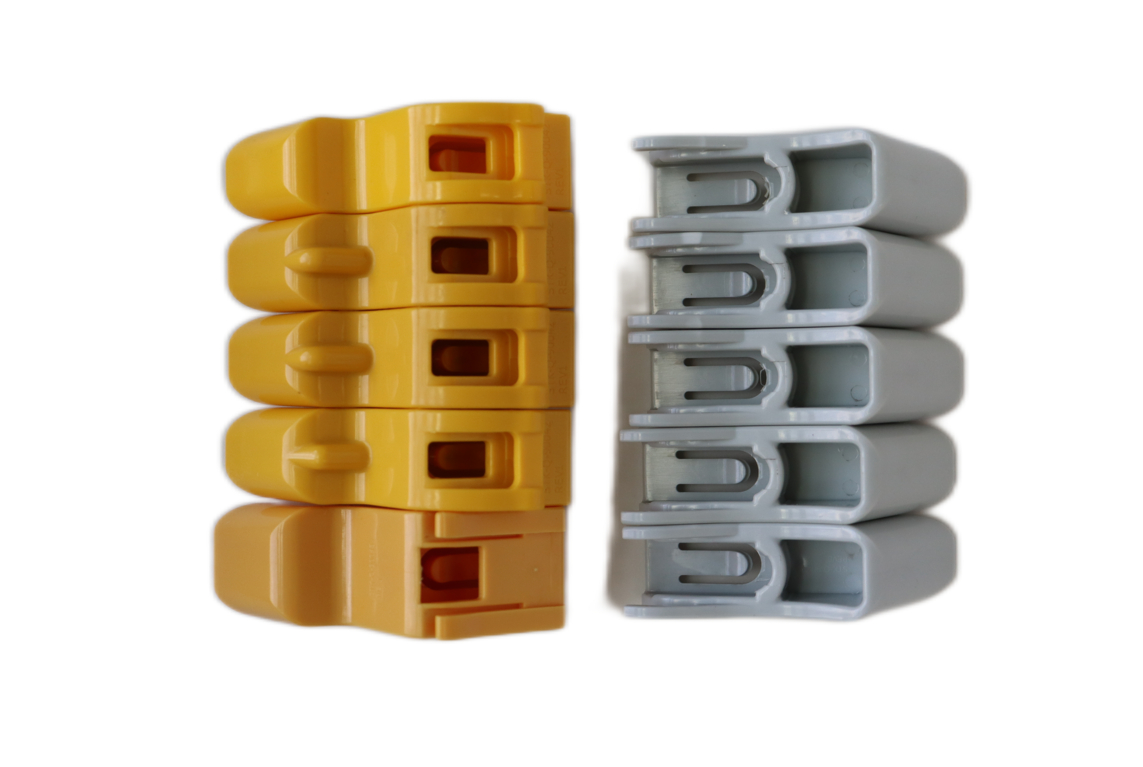
Ultimately, tight tolerance control in injection molding ensures proper assembly, functional performance, and consistent product quality. When tolerances are maintained:
Conversely, poor tolerance control can lead to scrap, additional finishing work, and delays.
To conclude, injection molding accuracy depends on more than machine capability alone. It begins with precision mold manufacturing and continues through strict injection molding process control. Mold machining tolerance, resin shrinkage, temperature stability, and pressure management all work together to determine final part dimensions.
For companies that require high precision injection molded components, choosing an experienced plastic mold manufacturer is critical.
AAA MOULD is a professional plastic mold manufacturer committed to precision mold manufacturing and reliable injection molding solutions. If you are looking for consistent quality, tight tolerance control, and dependable production performance, contact AAA MOULD today to discuss your project requirements.

RM1223, 12F, No.1, Fuji Bldg, No. 6018 Longgang RD. , Longgang Dist., Shenzhen,China.


Tel: 0086-755-89618186

Contact: Paul Hu 0086-18675501028





 LEAVE MESSAGE